


 Automated Driving - ADAS/AD | Case Study
New auto motor und sport Benchmark: Lane Keeping Assist Systems
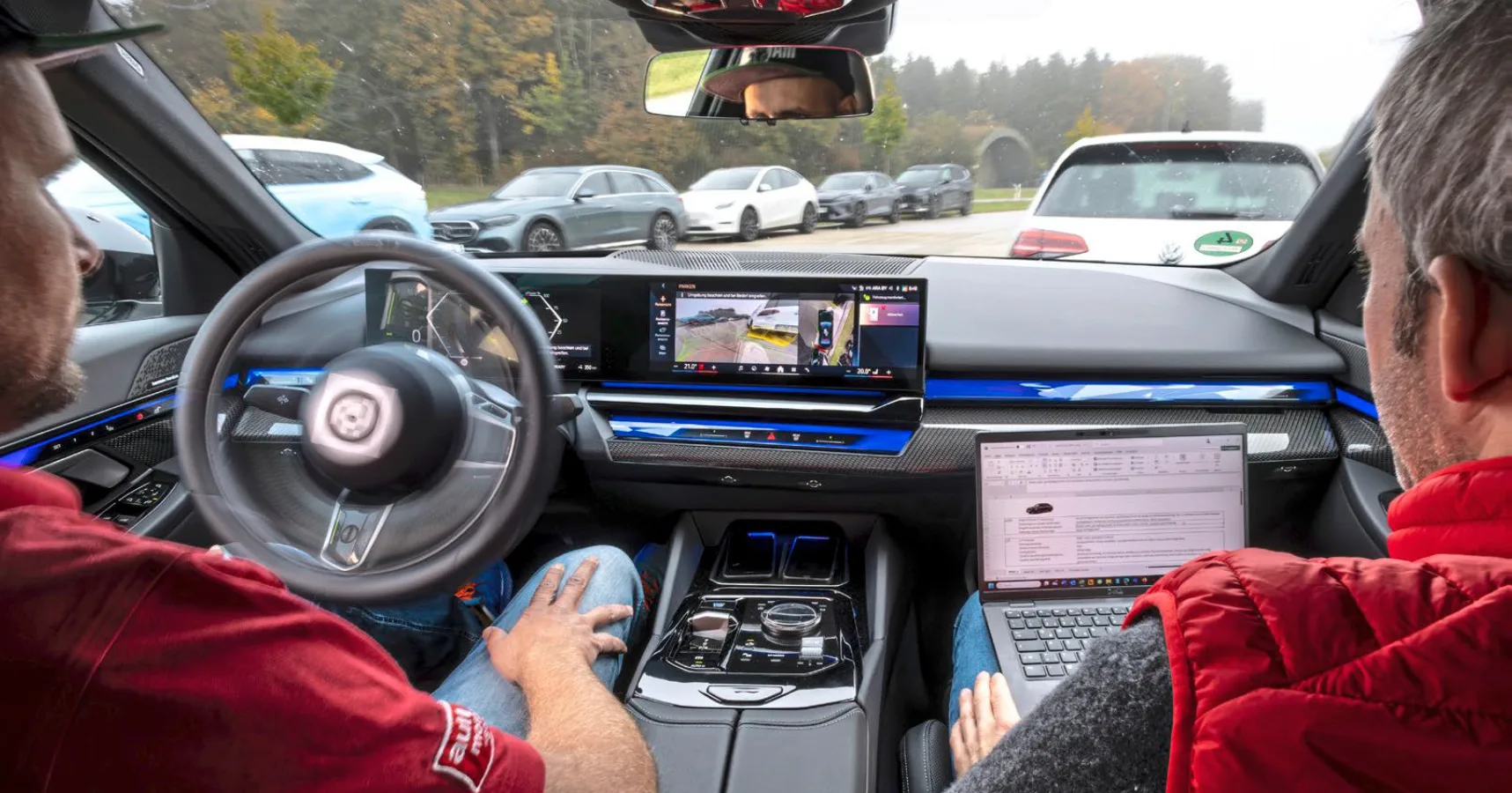
Together with auto motor und sport, we evaluated current lane keeping assist systems. The latest comparison test shows that although all systems meet the requirements for SAE Level 2 automated driving, they differ significantly in real-world operation in terms of precision, driver support, and overall system behavior.
The test field included the Audi Q3, BMW i5, Hyundai Ioniq 9, MG HS, and Volkswagen Golf. The vehicles were assessed under identical conditions on motorways, federal highways, and rural roads. Among other aspects, the evaluation focused on how precisely the systems keep the vehicle centered in its lane, how they respond to different road geometries, and how reliably driver monitoring functions operate.
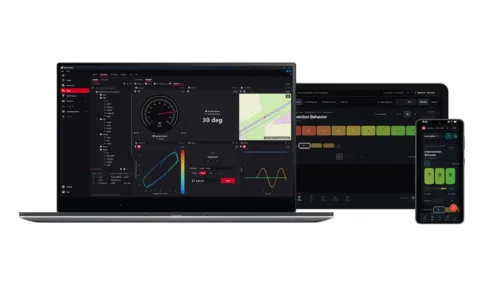
The test drives and the complete measurement data acquisition were carried out by the engineers at MdynamiX. The objective evaluation was based on highly accurate positioning data, digital reference maps, and the MXeval evaluation and targeting software. This approach makes it possible to capture and compare even the smallest differences in system behavior in a reproducible manner.
The combination of standardized test procedures, precise measurement technology, and data-driven analysis provides the foundation for an objective benchmark of modern driver assistance systems.
>> The full test report on lane keeping assist systems is now available online.
Curious how the Tesla Model Y, Volvo EX30, Nio ET5 Touring, and Mercedes E-Class performed in last year’s lane keeping assist benchmark? You can find the results of the first comparison test here.
Find out more about our collaboration and the ADAS benchmark with auto motor und sport on our website. We also provide detailed insights into the measurement technology used and the data acquisition during the tests.