



Automated Driving from the Human Perspective
Optimizing Human–Machine Interaction (HMI): The Key Role of the Human Factor in Vehicle Development
Driver assistance systems offer tremendous potential to make everyday driving safer and more comfortable. At the same time, many users remain skeptical of these systems because they often do not appear intuitive, transparent, or trustworthy. We demonstrate how a human-centered approach in vehicle development builds trust, increases acceptance, and makes innovative functions tangible – supported by the latest research and practical, application-oriented methods.
Subjective Perception and Objective Evaluation in a Holistic Approach
Our approach combines KPI (Key Performance Indicator)-based objective evaluation with the correlation of subjective perceptions. This approach enables us to create a holistic view of the user experience. Our analyses result in new target values and clear recommendations for action that help our clients optimally align their products and services with end users while maintaining a brand-specific identity (brand DNA).
KPI Development UX

- Derivation of objective KPIs from subjective user requirements
- Measurable development targets for targeted vehicle development
- Improved user acceptance and user experience through user-centered development
Benchmarking

- Objective benchmarking of vehicles and vehicle functions against the competition
- Identification of best practices and optimization potential for product development
- Actionable recommendations based on real-world user studies and driving evaluations
Design Thinking

- User-centered development of intuitive vehicle functions and HMI concepts
- Early user feedback to optimize concepts, operating logic, and user interactions
- Increased user acceptance and satisfaction through iterative concept development
HMI Concept Development
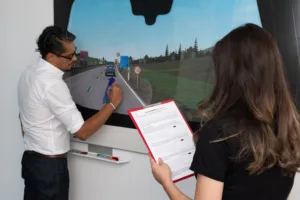
- Holistic development of HMI and vehicle functions as an integrated system
- Optimization of operating logic and real-time feedback for intuitive user interaction
- Validated HMI concepts through iterative development and realistic usability testing
Motion Sickness

- Analysis and assessment of motion sickness in real-world and simulated driving scenarios
- Identification of key influencing factors to optimize vehicle functions and driving strategies
- Enhanced comfort and user acceptance through scientifically validated human factors methods
Driving Simulator Studies
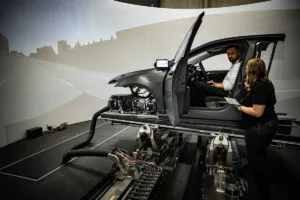
- Planning and execution of scientific driving simulator studies
- Collection of objective measurement data and subjective user feedback
- Sound decision-making support for the development of intuitive and safe vehicle functions
Eye Tracking & Body Motion

- Objective analysis of user behavior through eye tracking and body motion capture
- Identification of gaze behavior, attention, and movement patterns during vehicle interaction
- Optimization of HMI, ergonomics, and user experience based on objective measurement data
Modular, Cross-Cultural, Comprehensive: Our Approach to Your ADAS Development
Our portfolio of services is diverse and modular in structure, ranging from User Experience evaluation and comprehensive studies in customer and market research, benchmarking to data analysis and professional consulting. Our expertise extends beyond national borders. Through our intercultural competence and in-depth knowledge of different markets and cultures, we adapt our methods and approaches to specific contexts. An ADAS function must meet varying requirements across markets and cultural environments and cannot be applied uniformly to every market.
Would you like to optimally align your ADAS functions with the needs of your customers?
Contact us – real user perspectives, increased acceptance, and an optimal user experience.