


 Automated Driving - ADAS/AD | News
Autonomous driving at 1:8 scale – VDI ADC 2025 @ELIV, Bonn
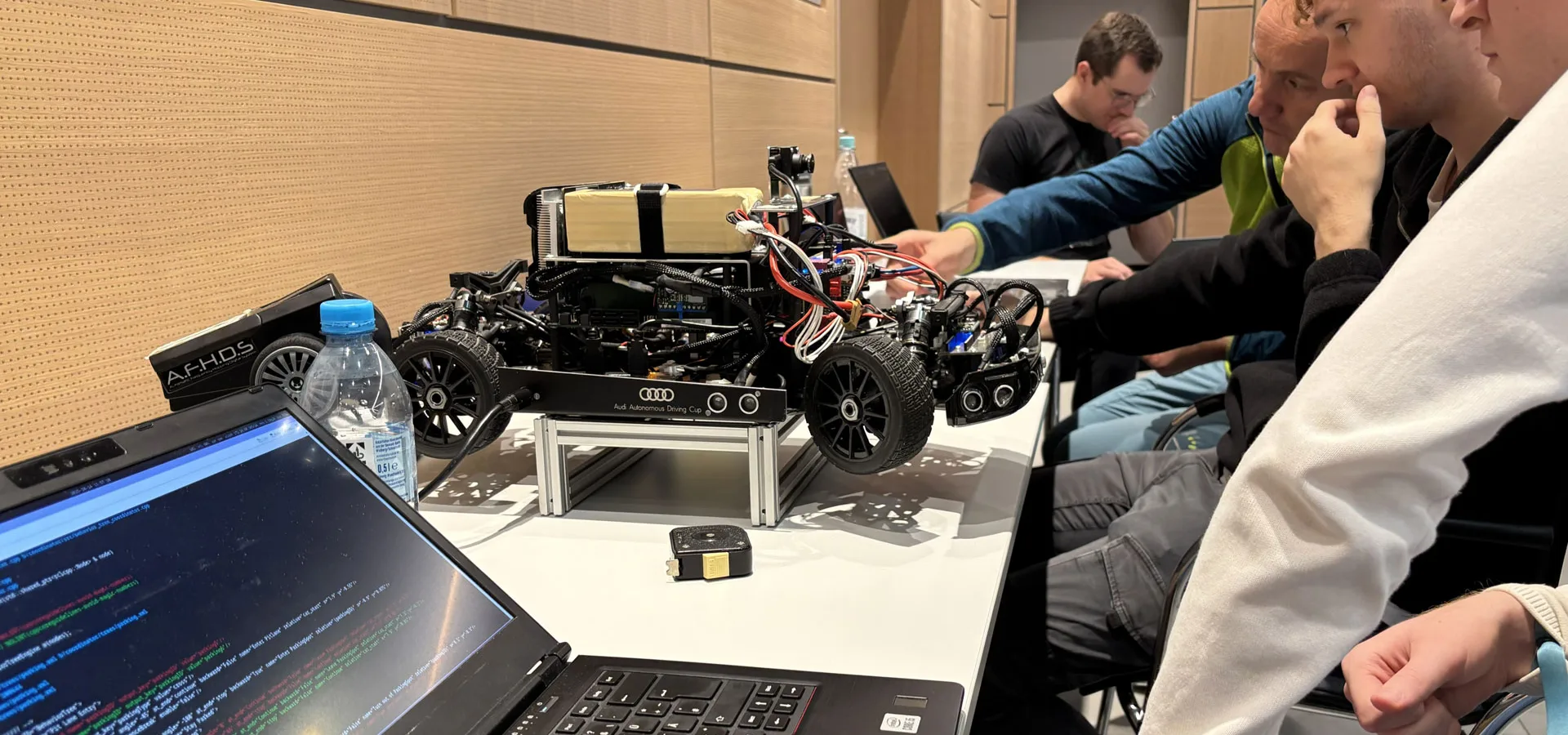
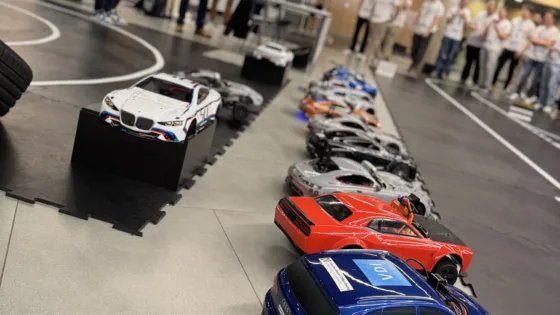
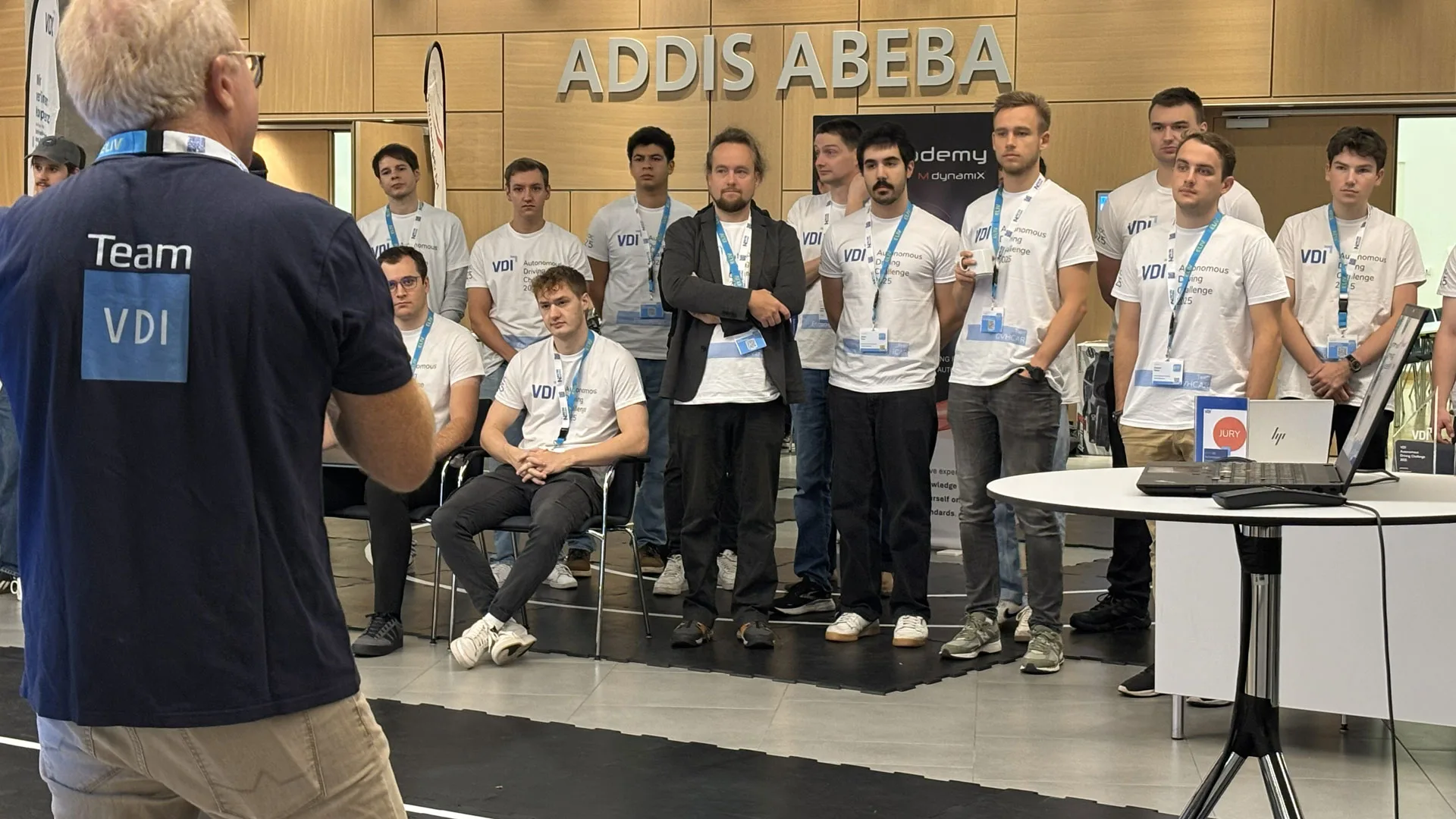
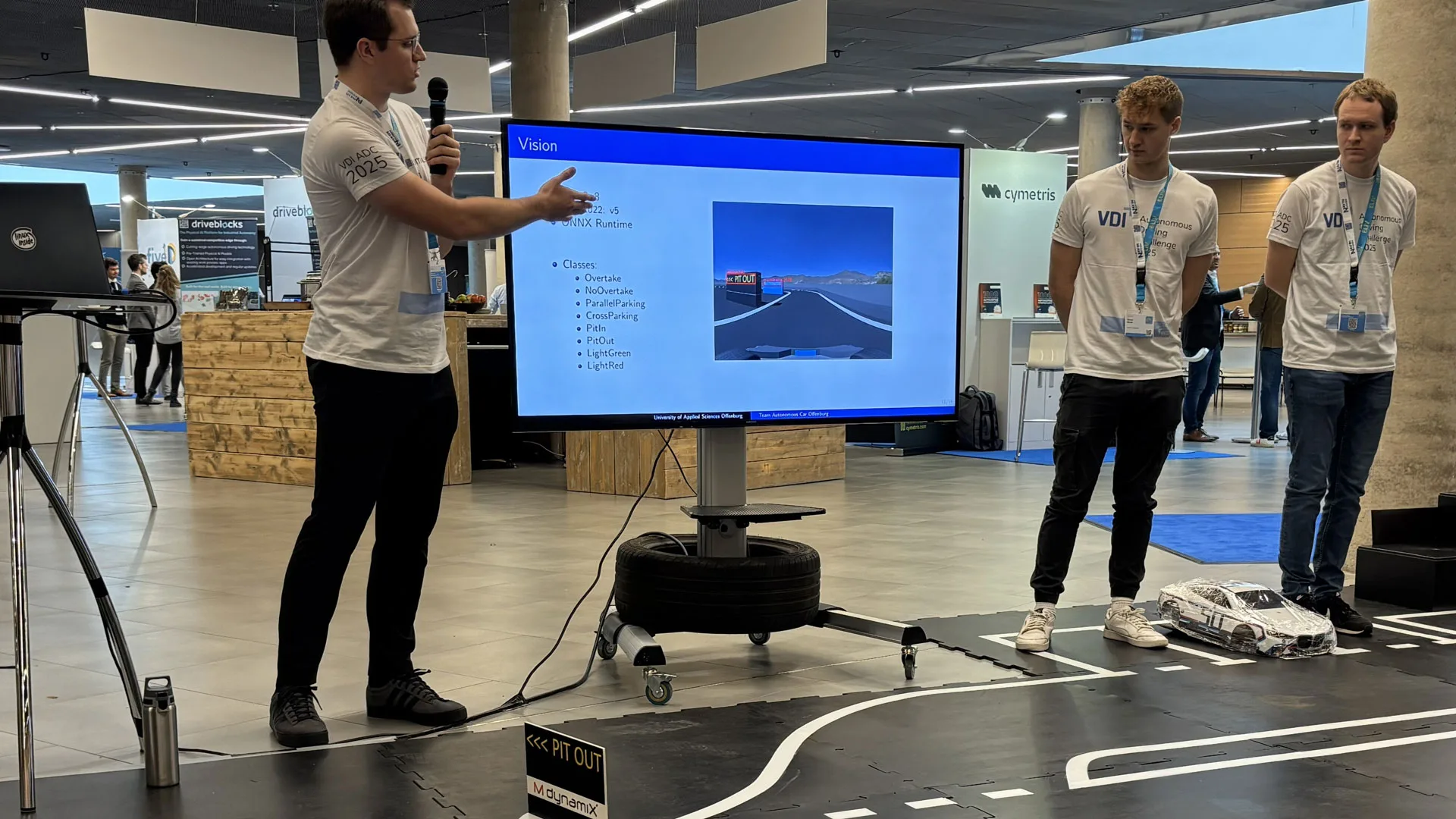
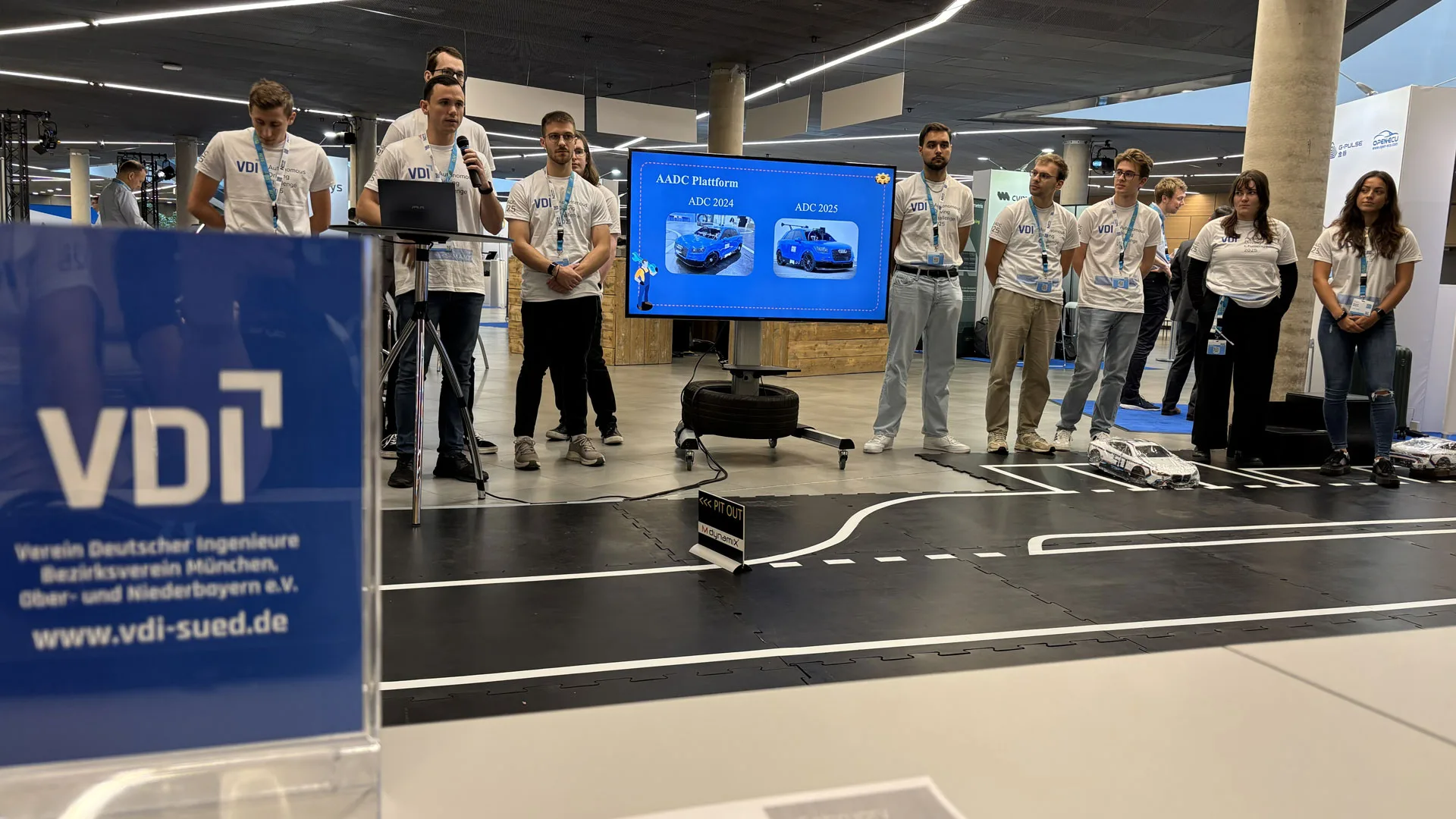
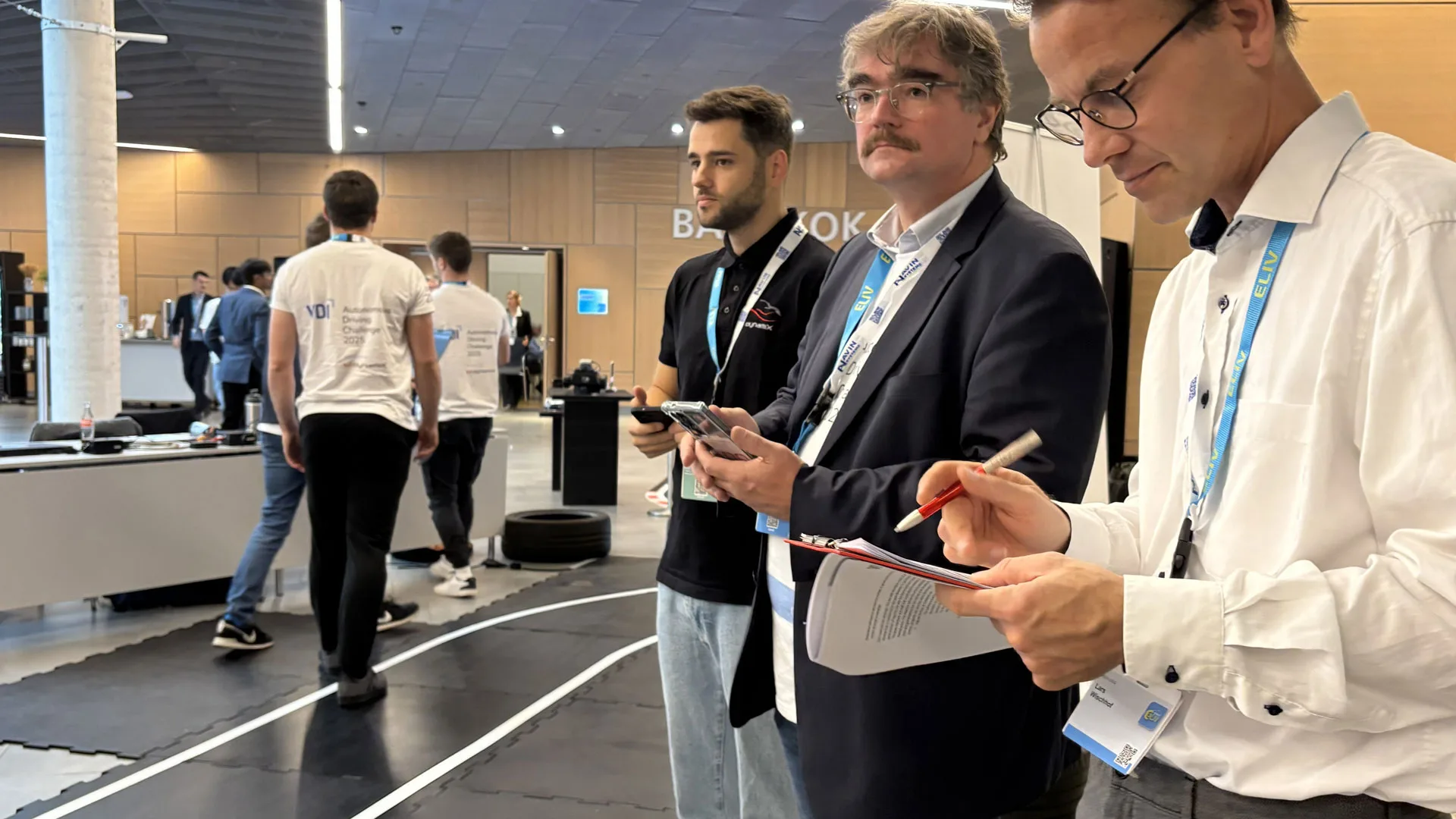
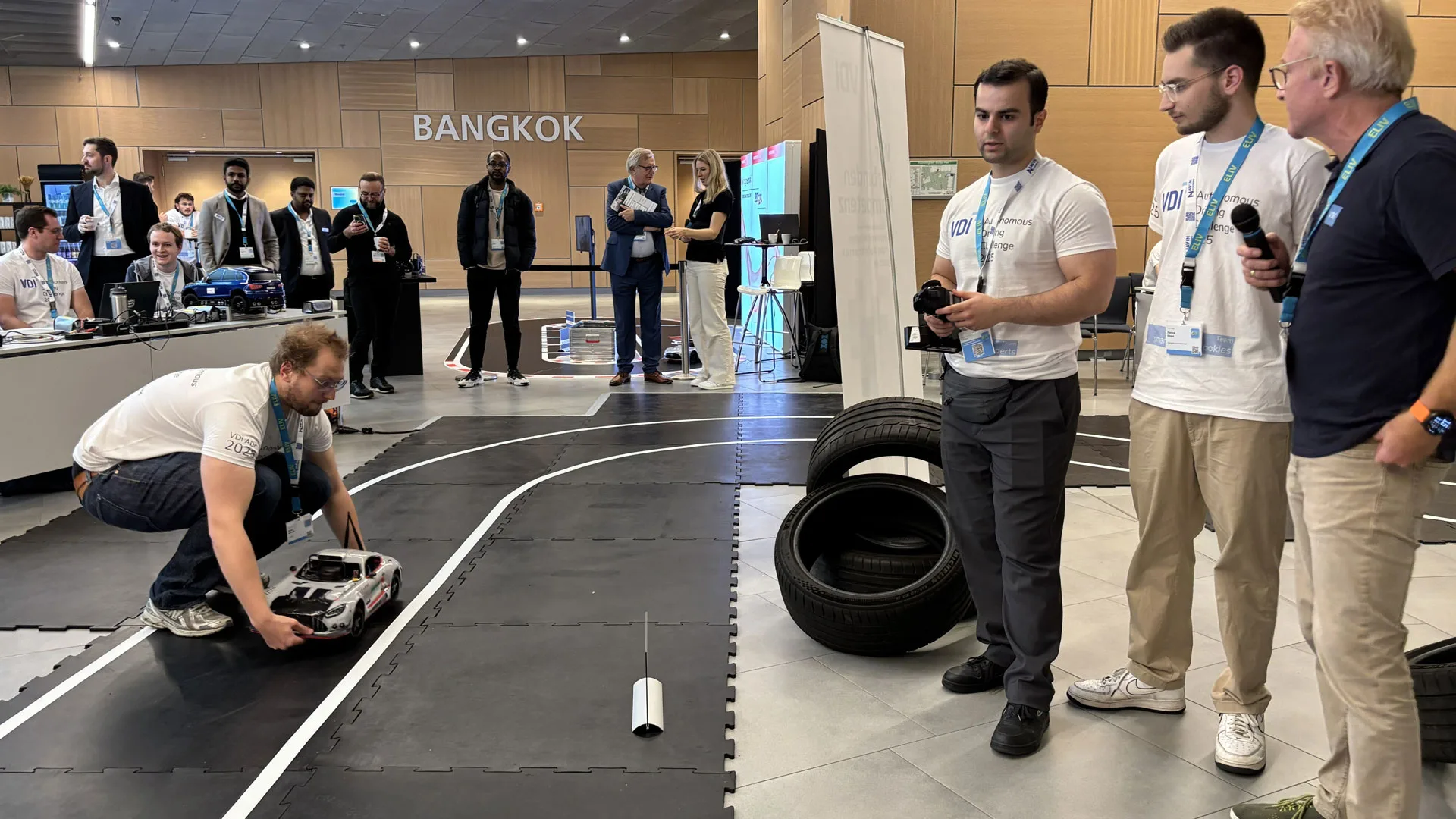
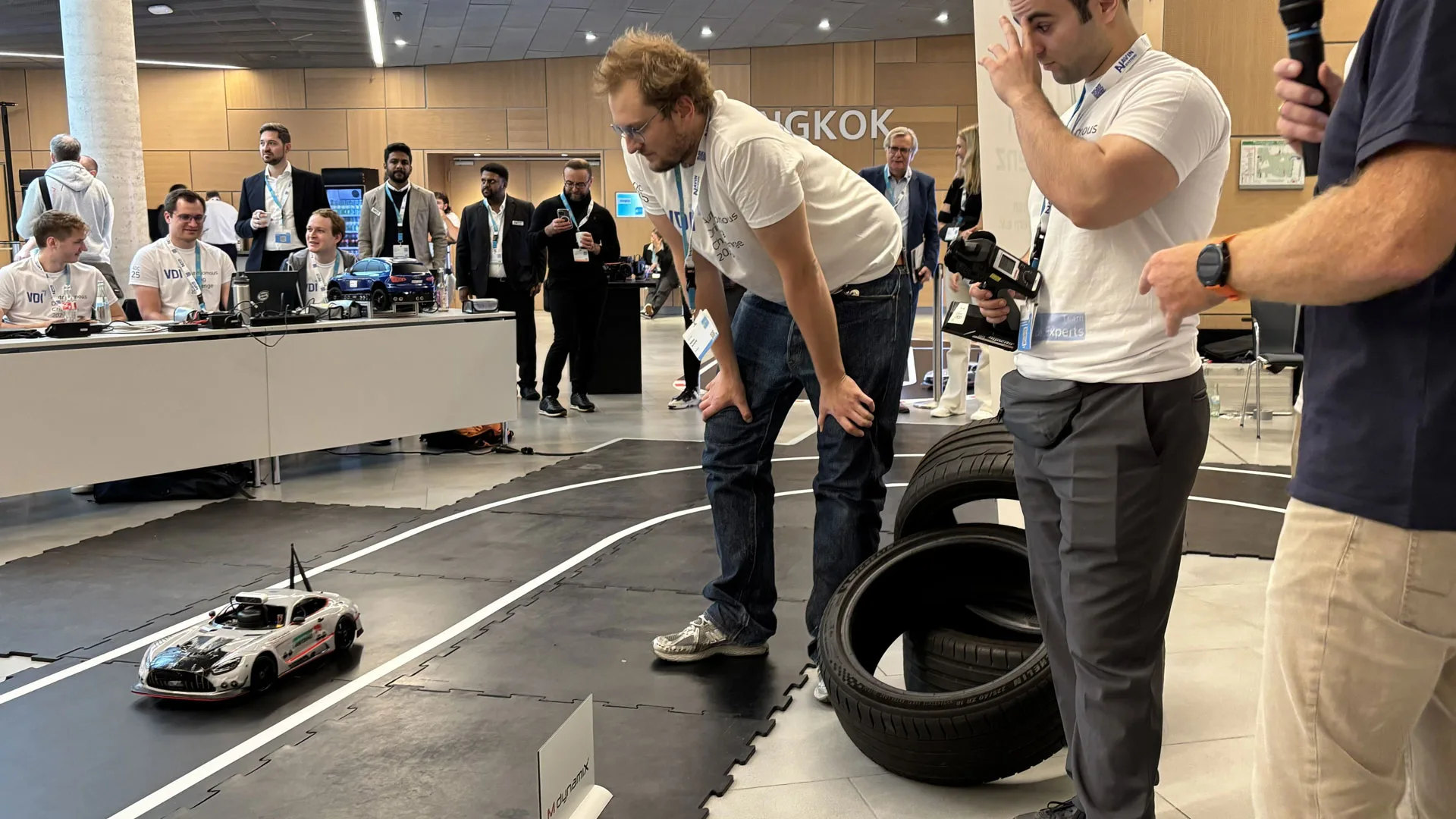
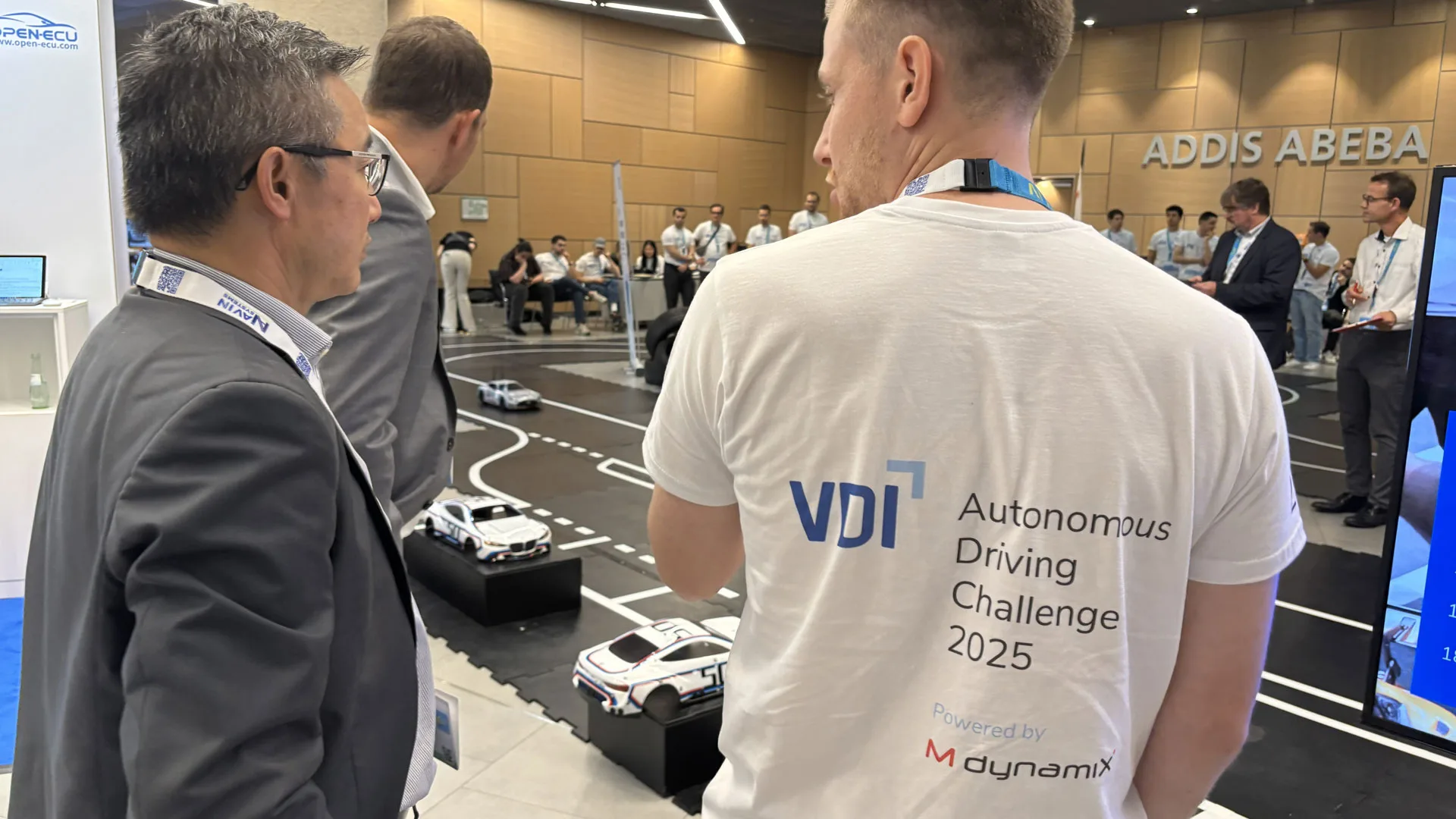
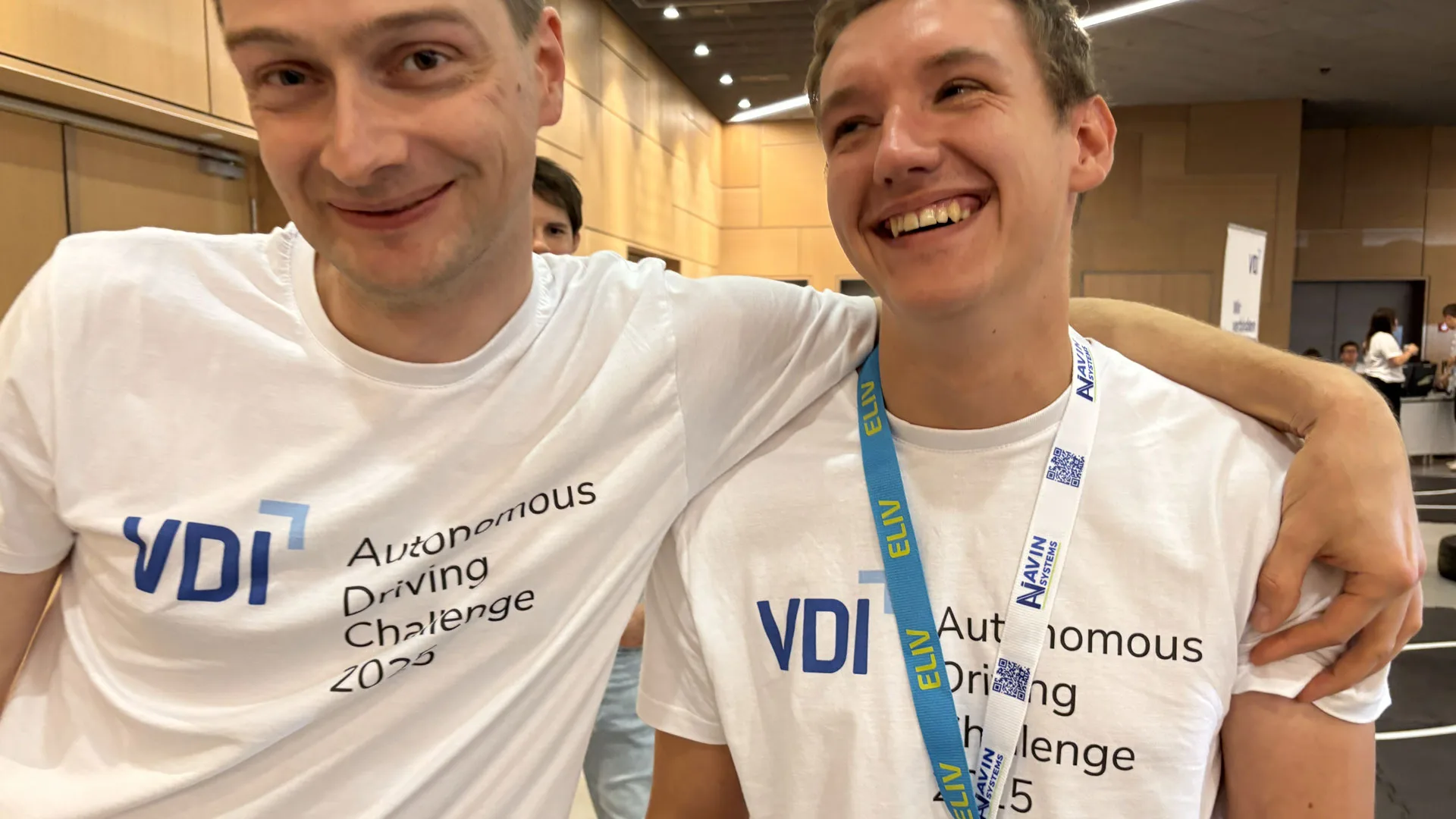
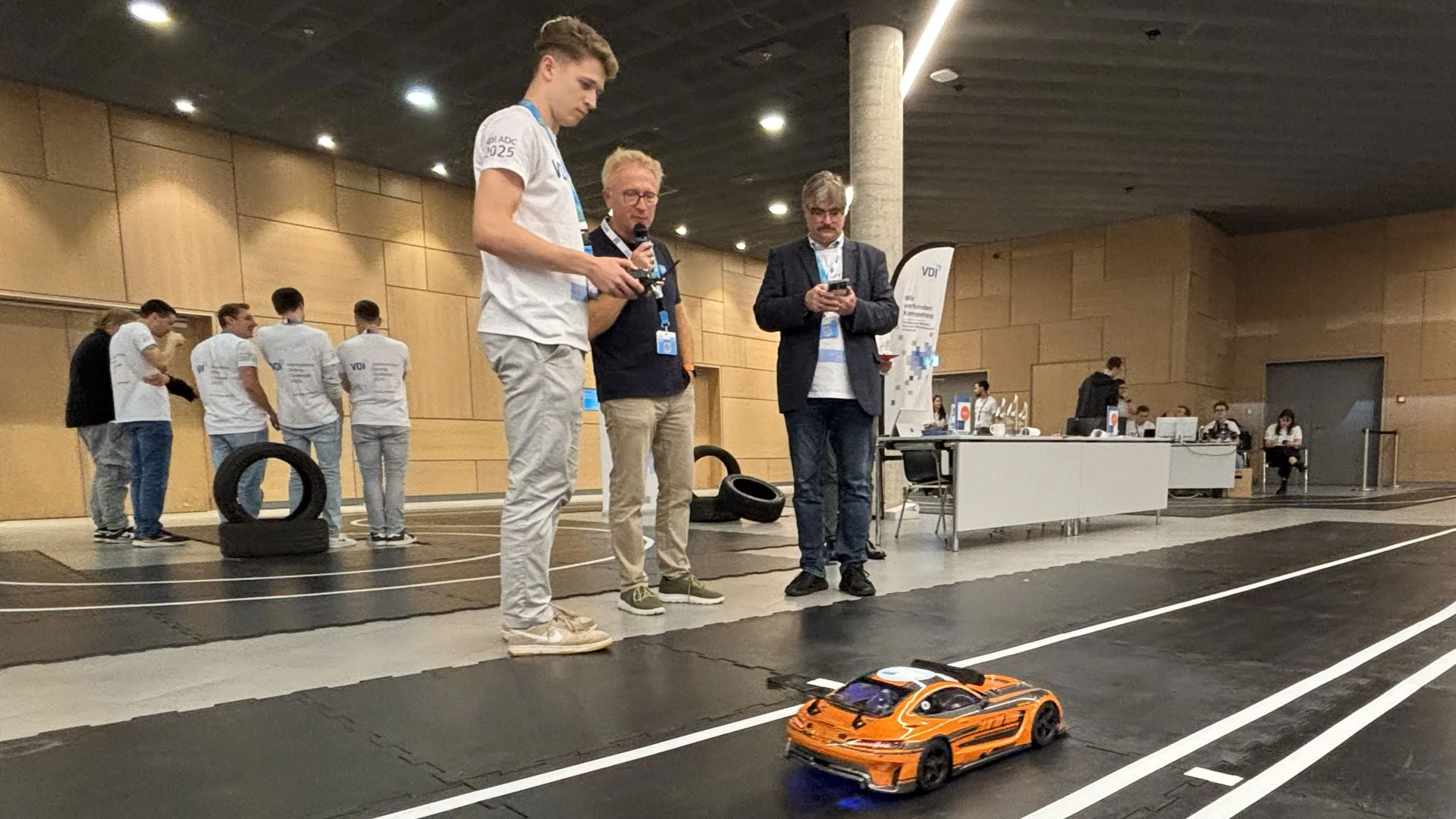
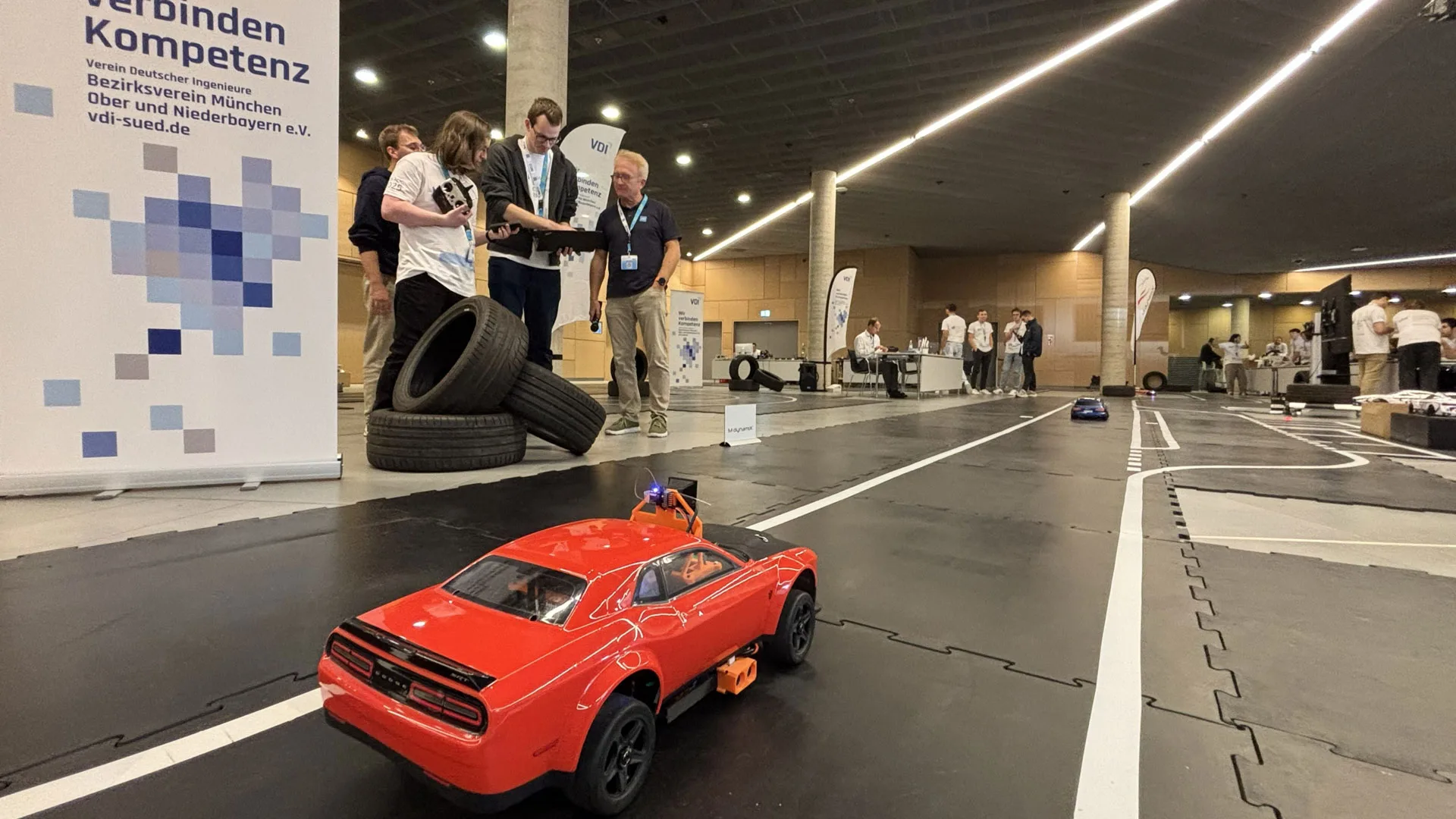
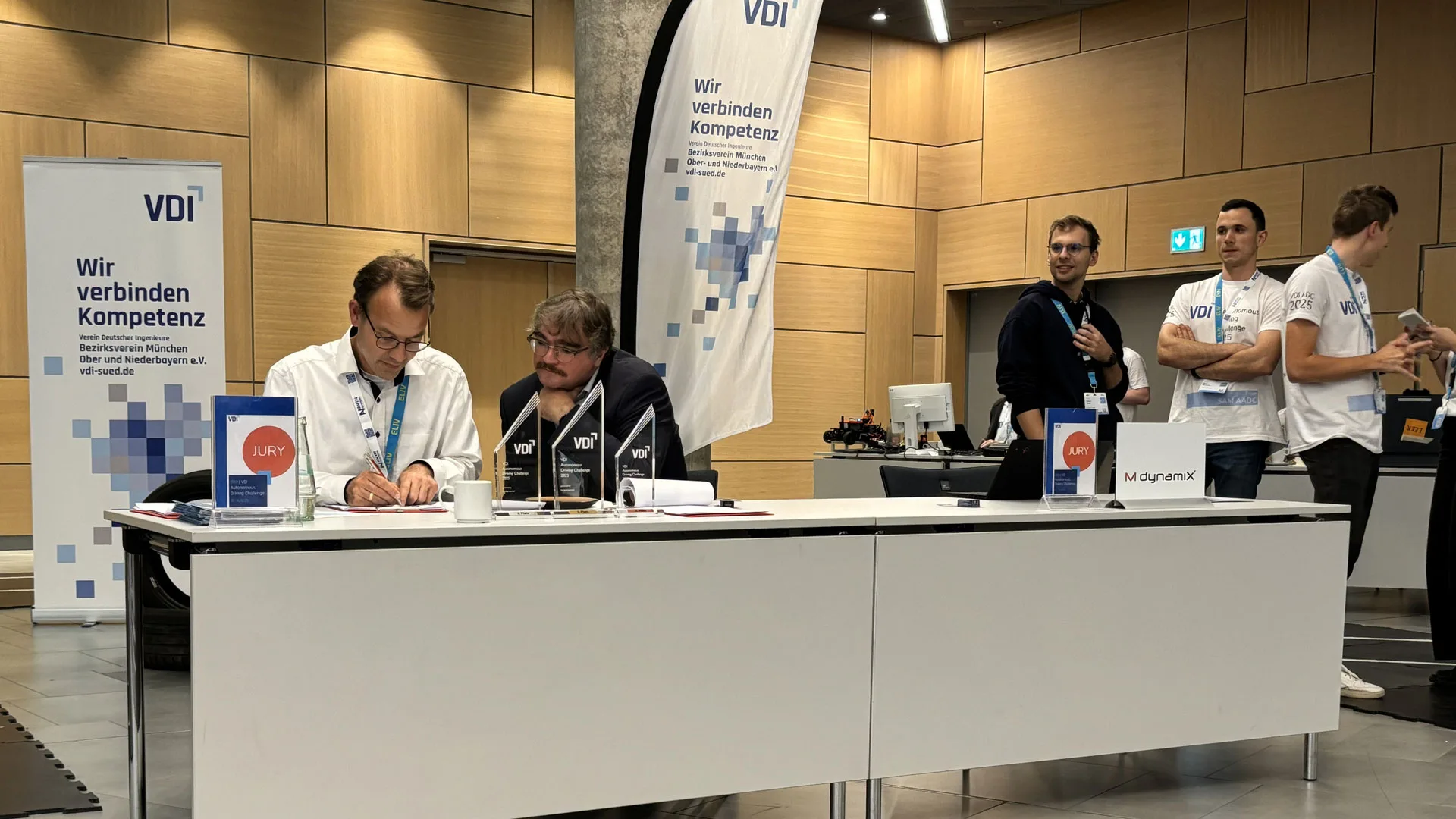
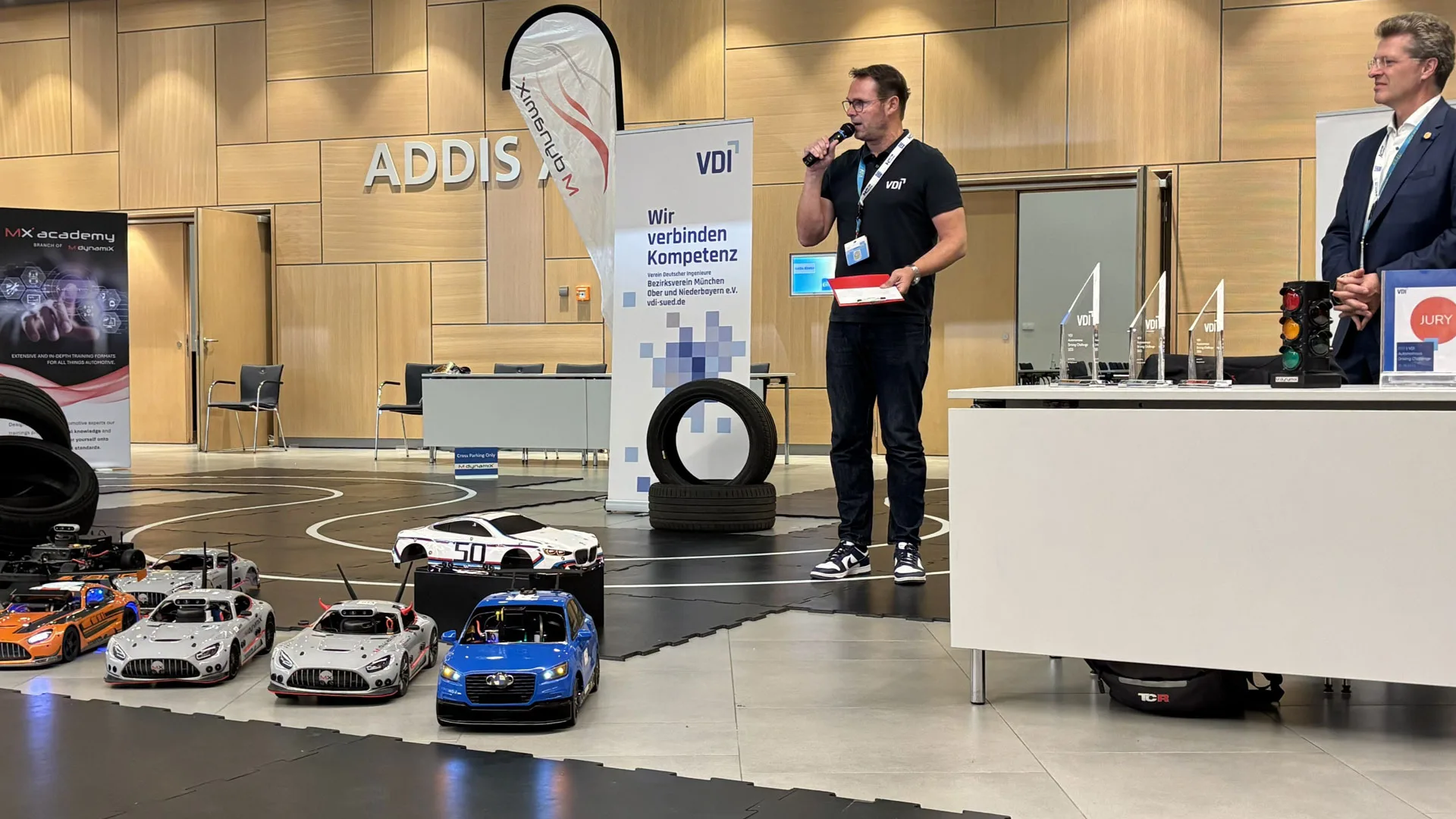
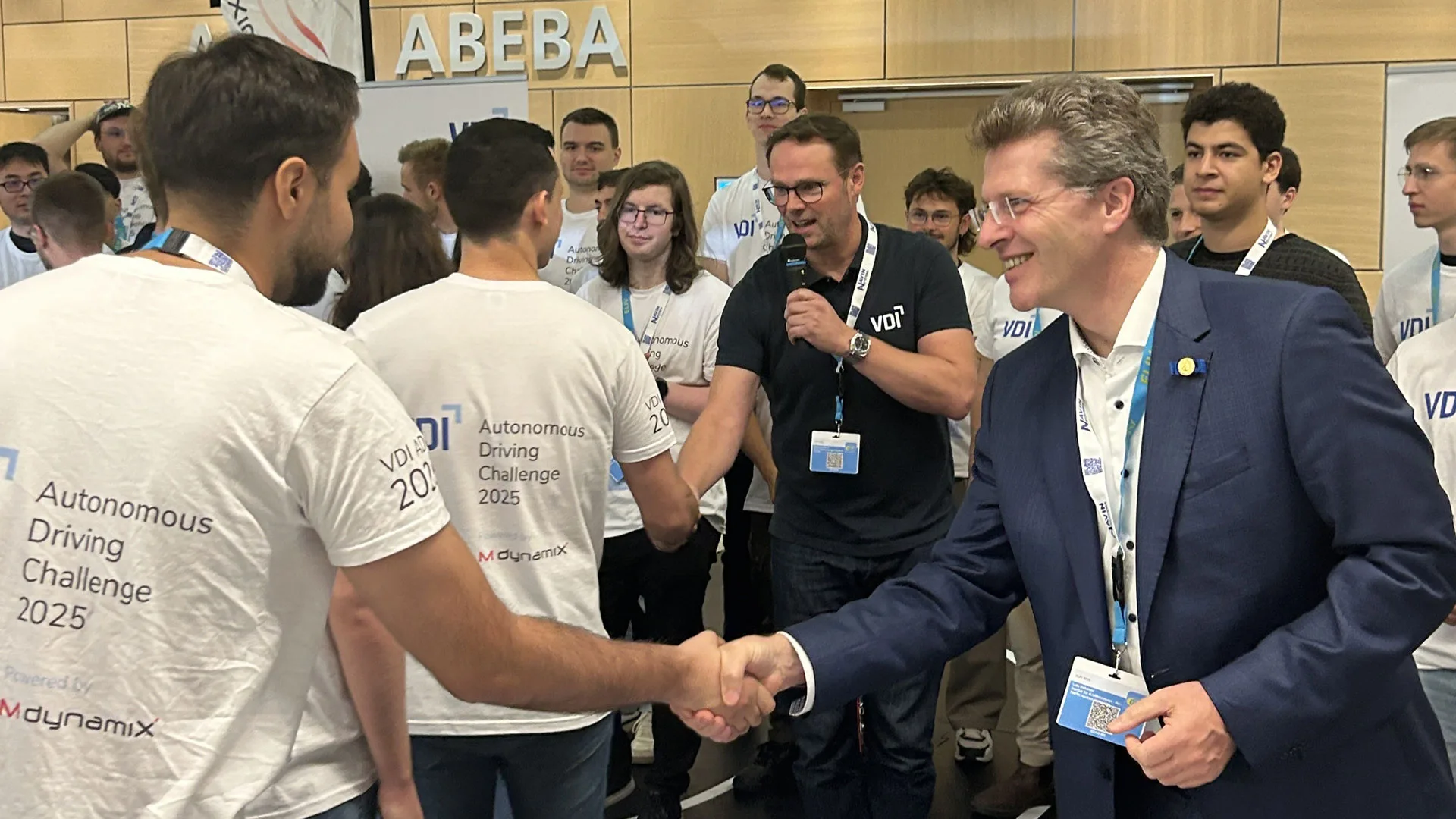
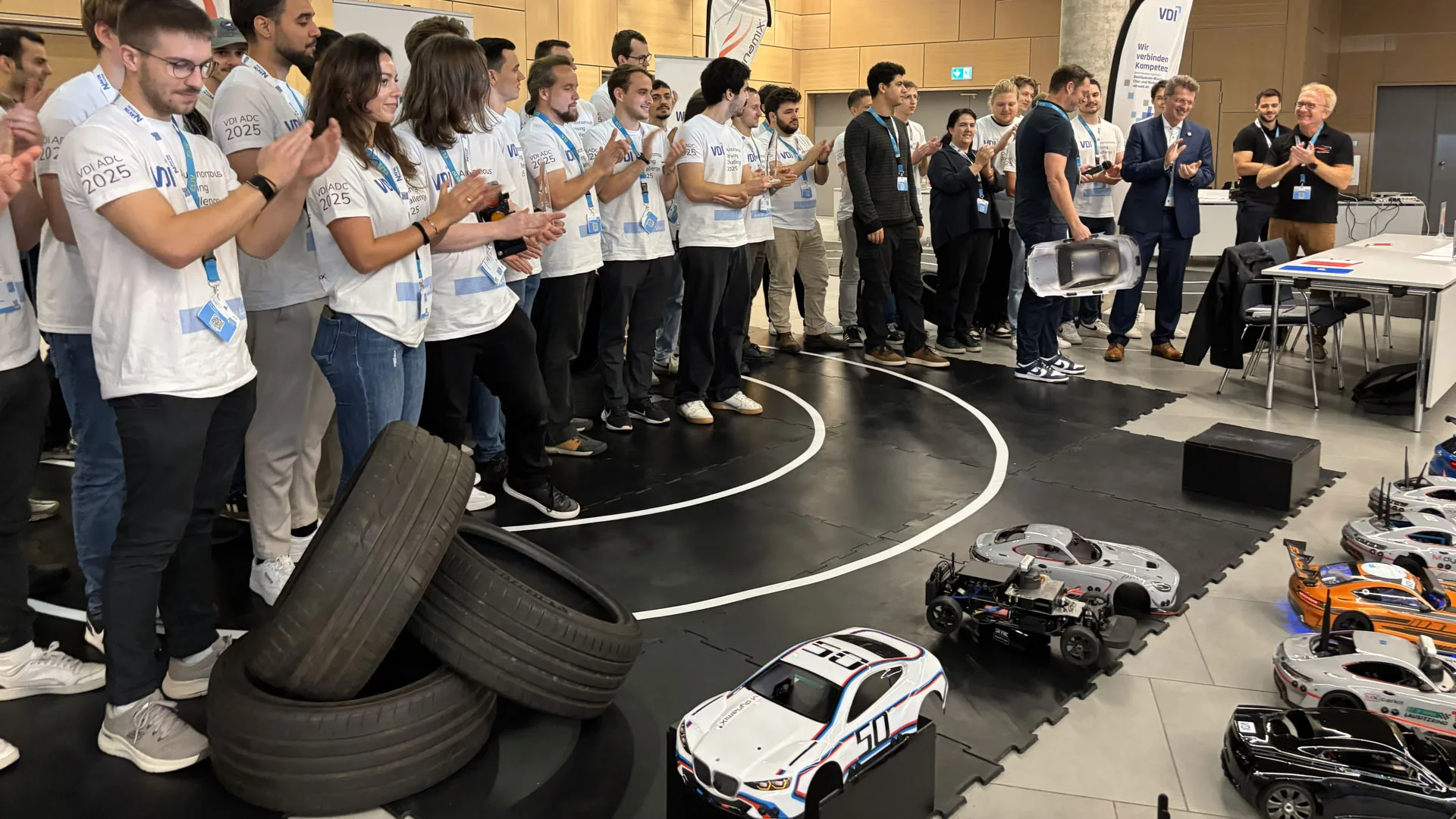
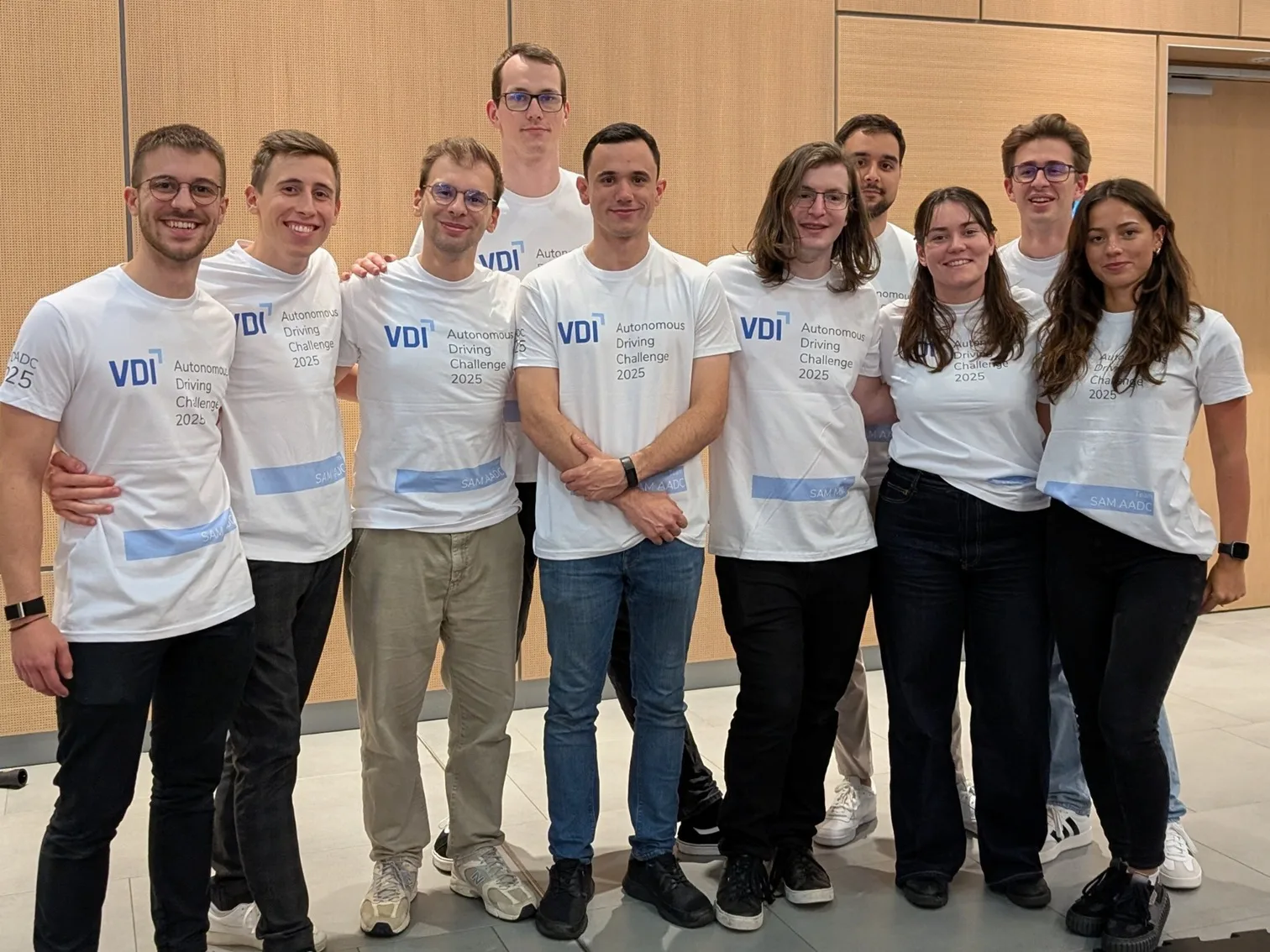
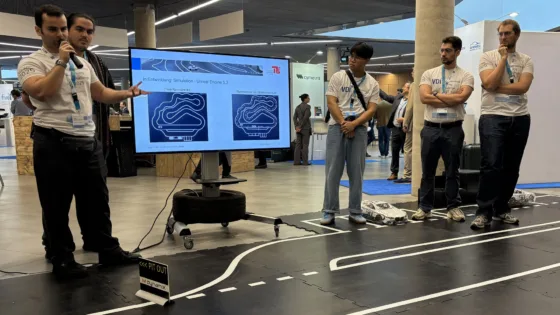
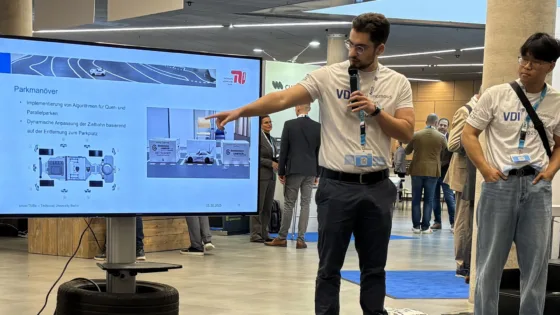
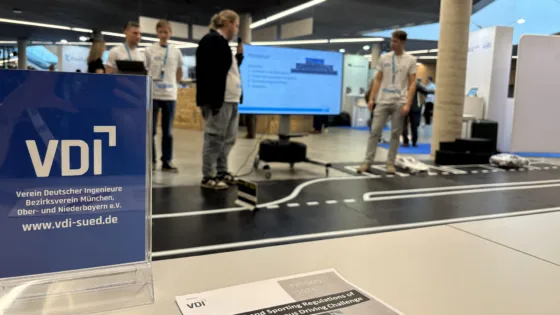
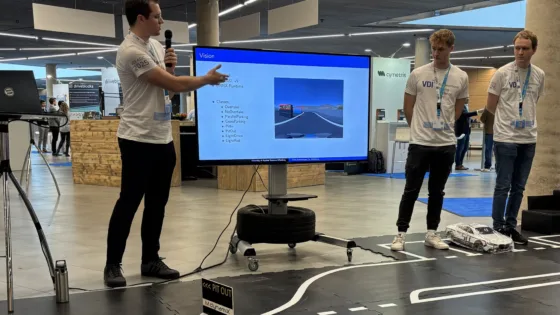
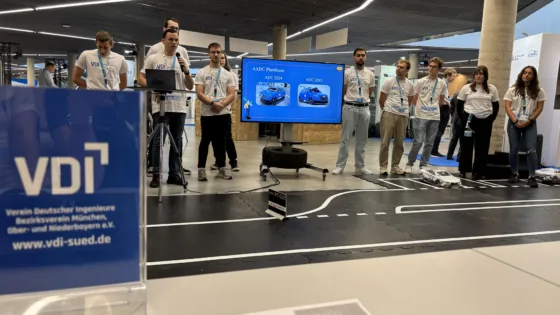
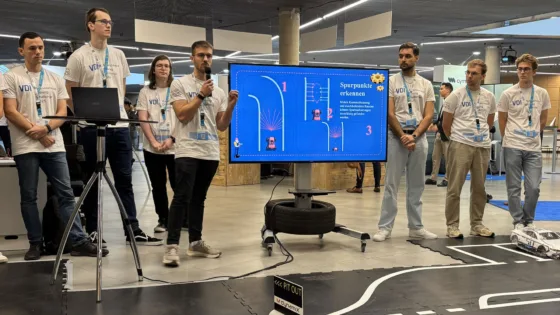
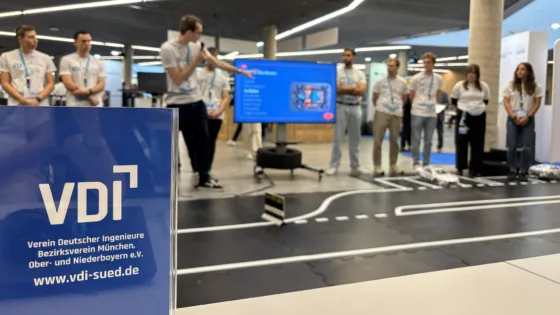
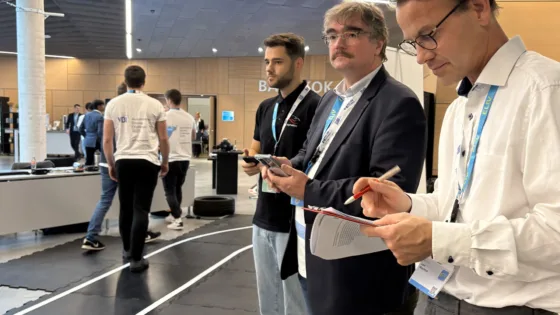
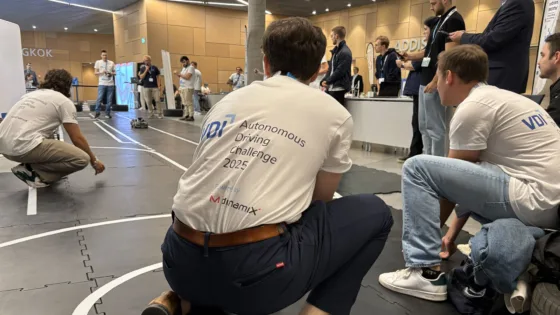
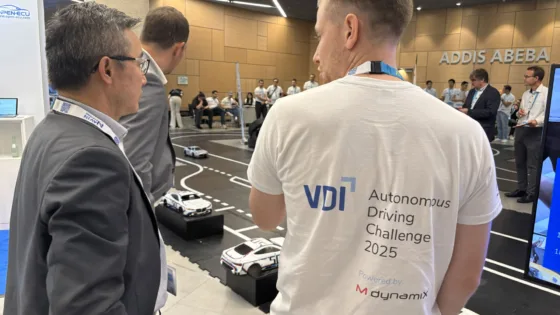
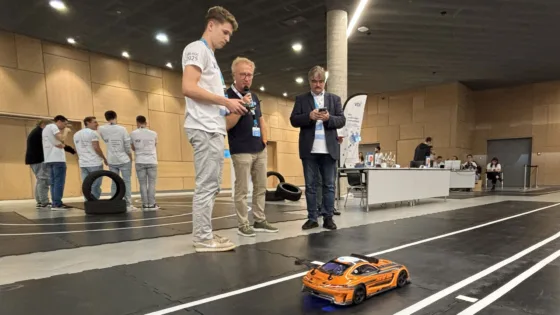
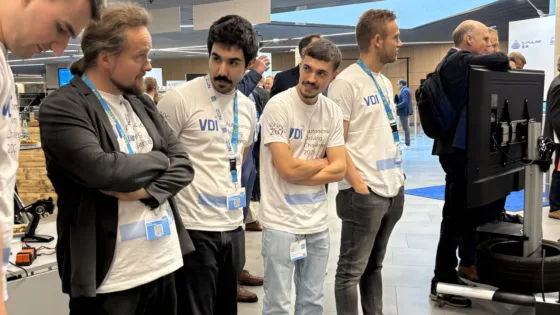
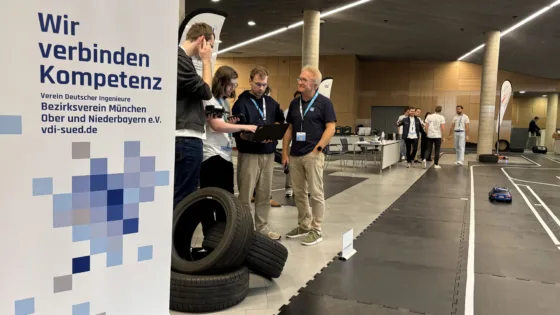
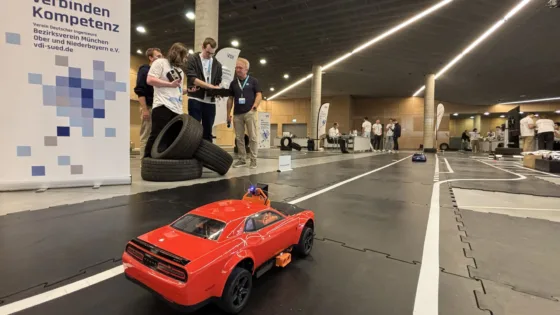
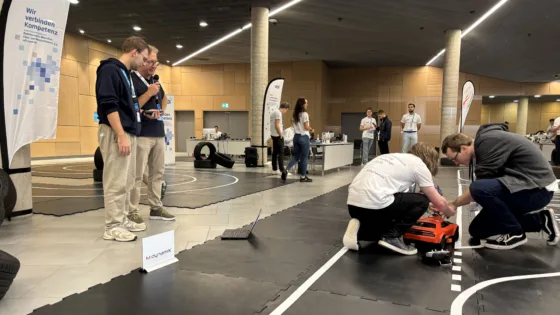
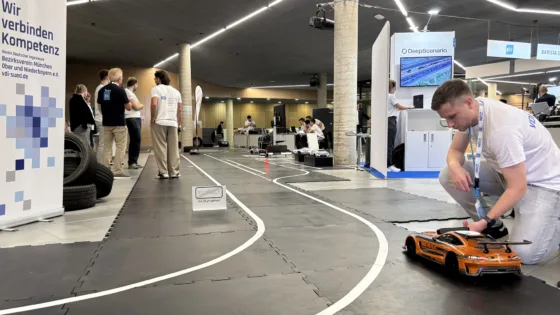
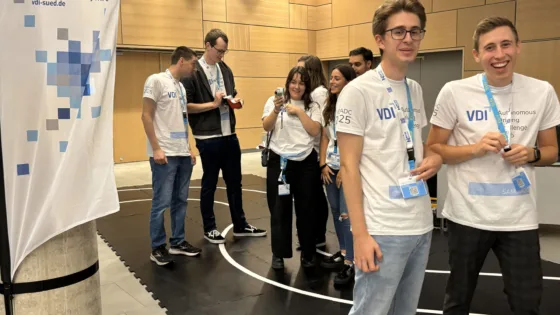
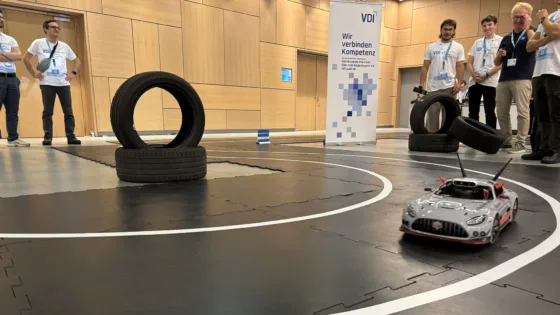
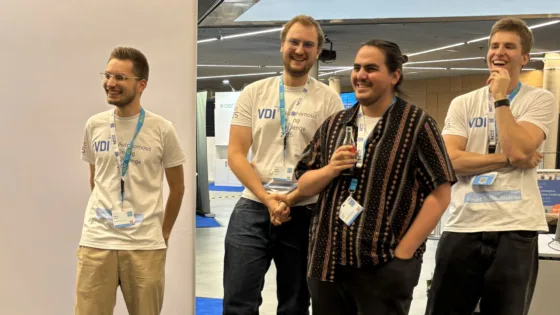
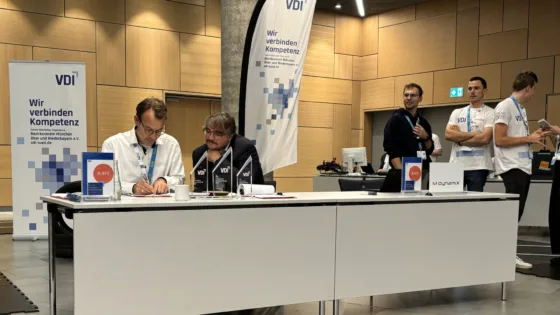
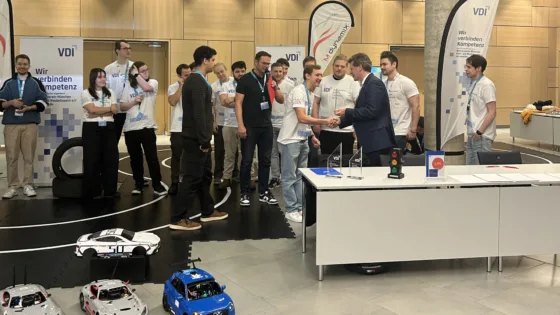
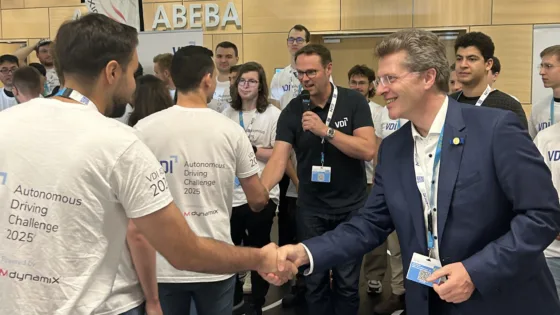
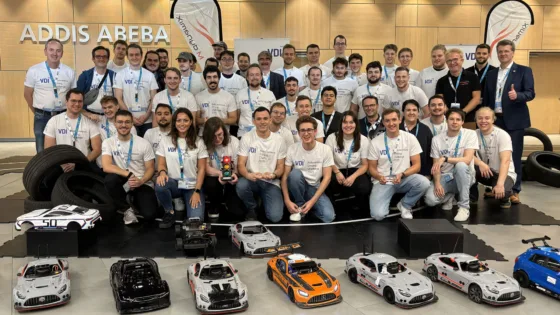
The VDI Autonomous Driving Challenge 2025, held as part of the ELIV Congress in Bonn, impressively demonstrated the remarkable technical skill, innovative spirit, and genuine passion for autonomous driving within the student community. For two full days, the World Conference Center Bonn transformed into a unique blend of test lab, racetrack, and future workshop — powered by dedicated student teams, experienced organizers, and strong industry partners.
This year’s edition delivered technical sophistication, emotional highlights, and unexpected twists. So let’s take a look back.
Free practice – arriving, connecting, fine-tuning
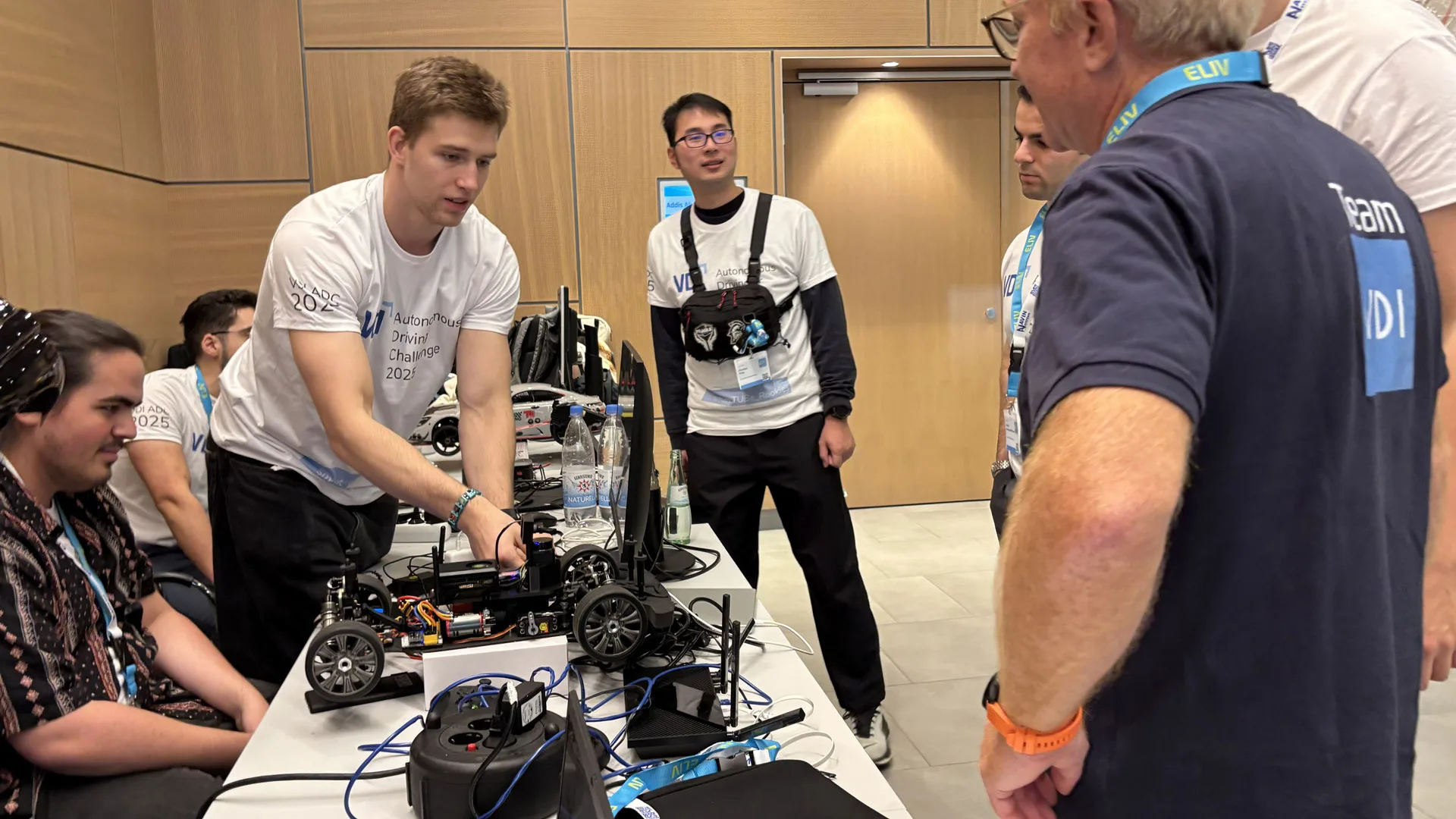
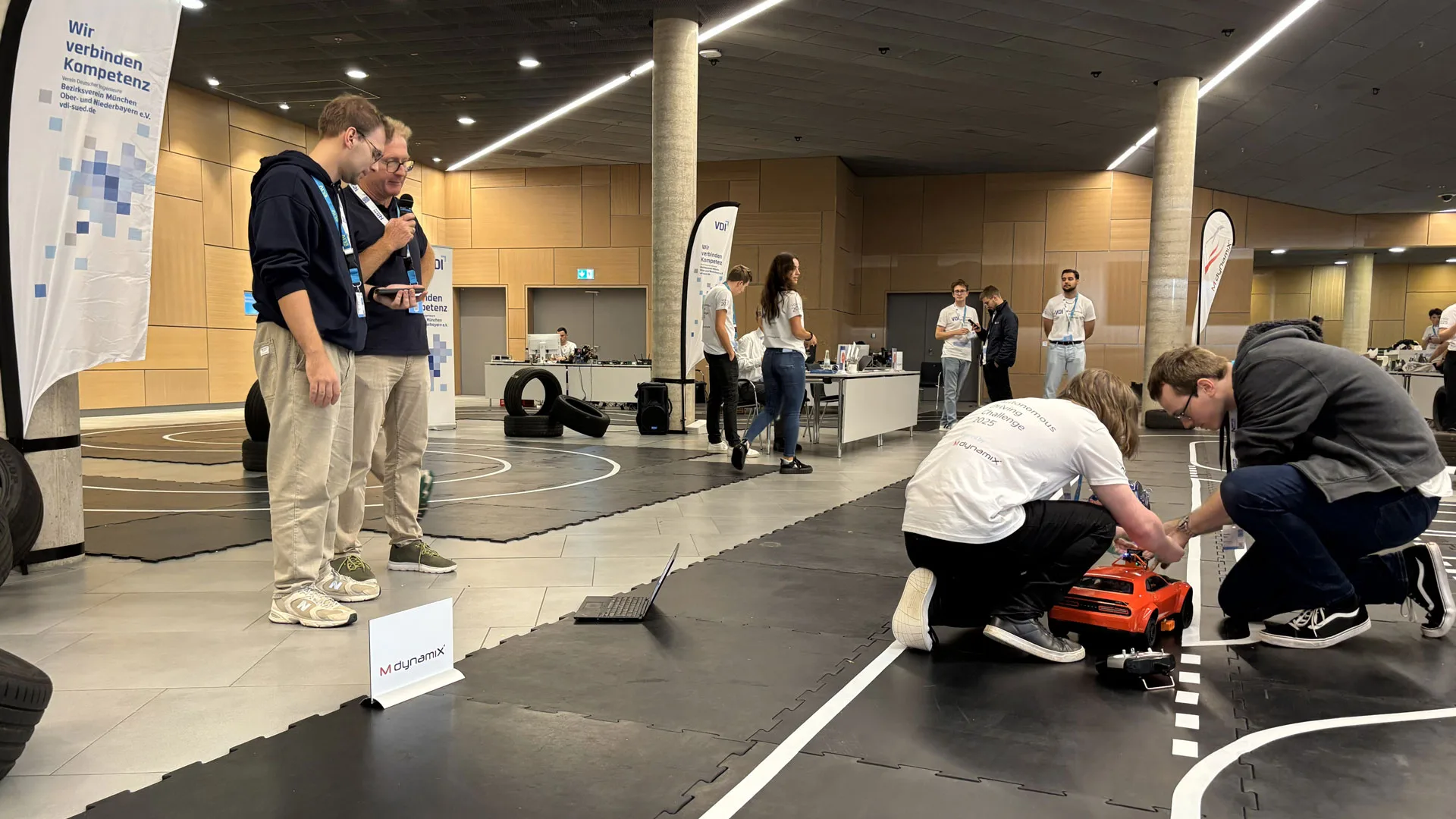
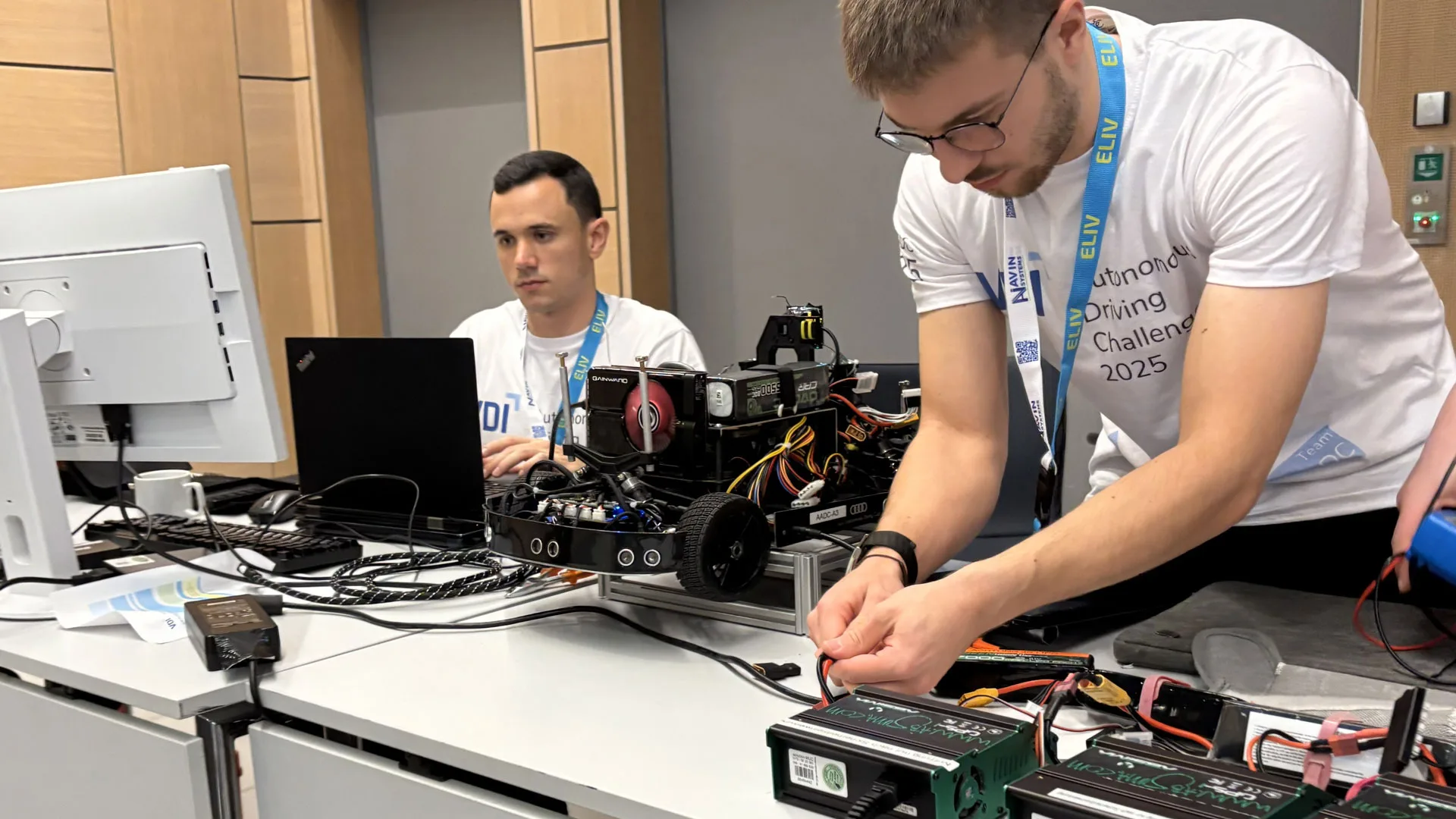
Tuesday kicked off with the traditional free practice session, and it immediately became clear what makes the
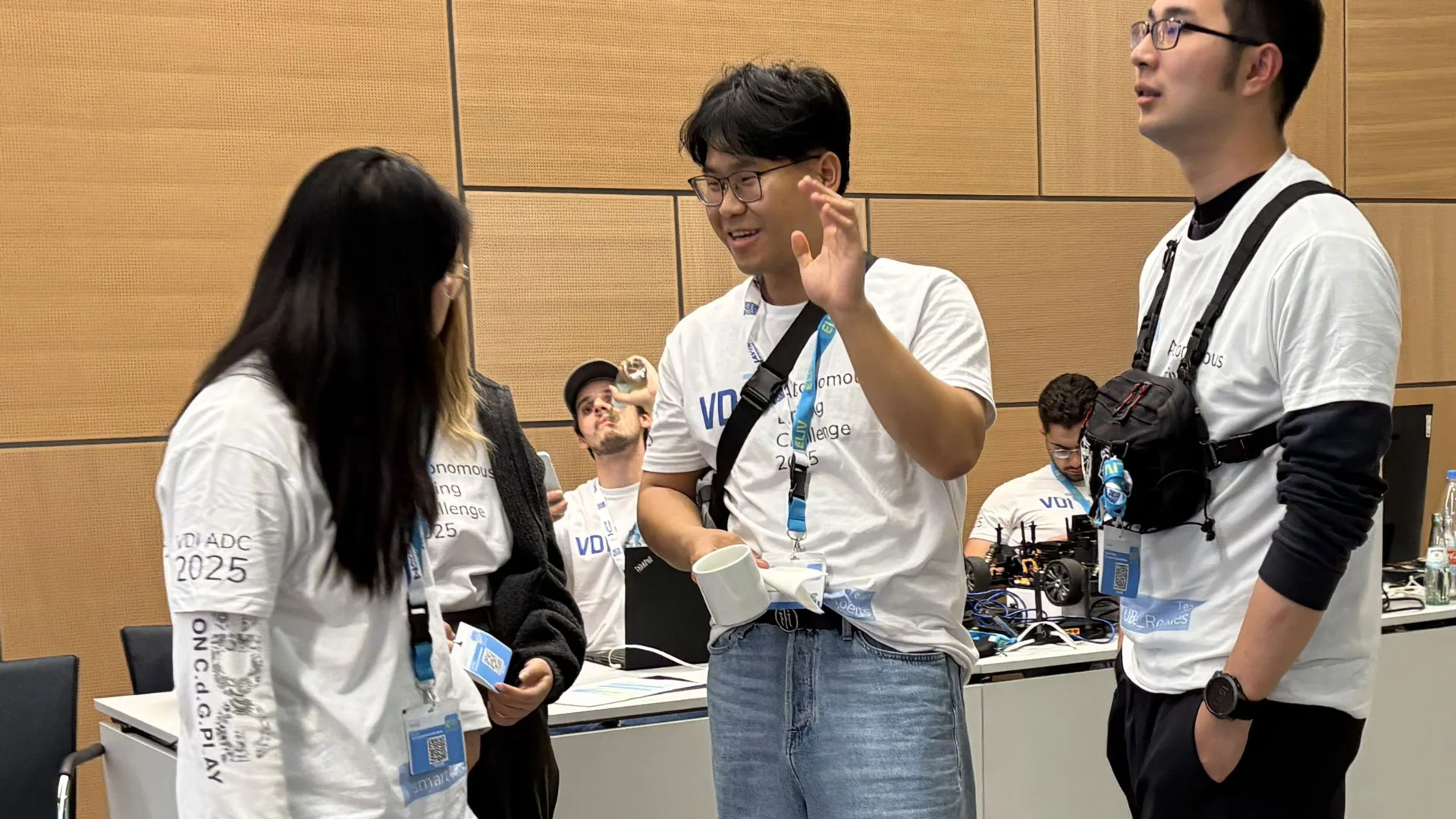
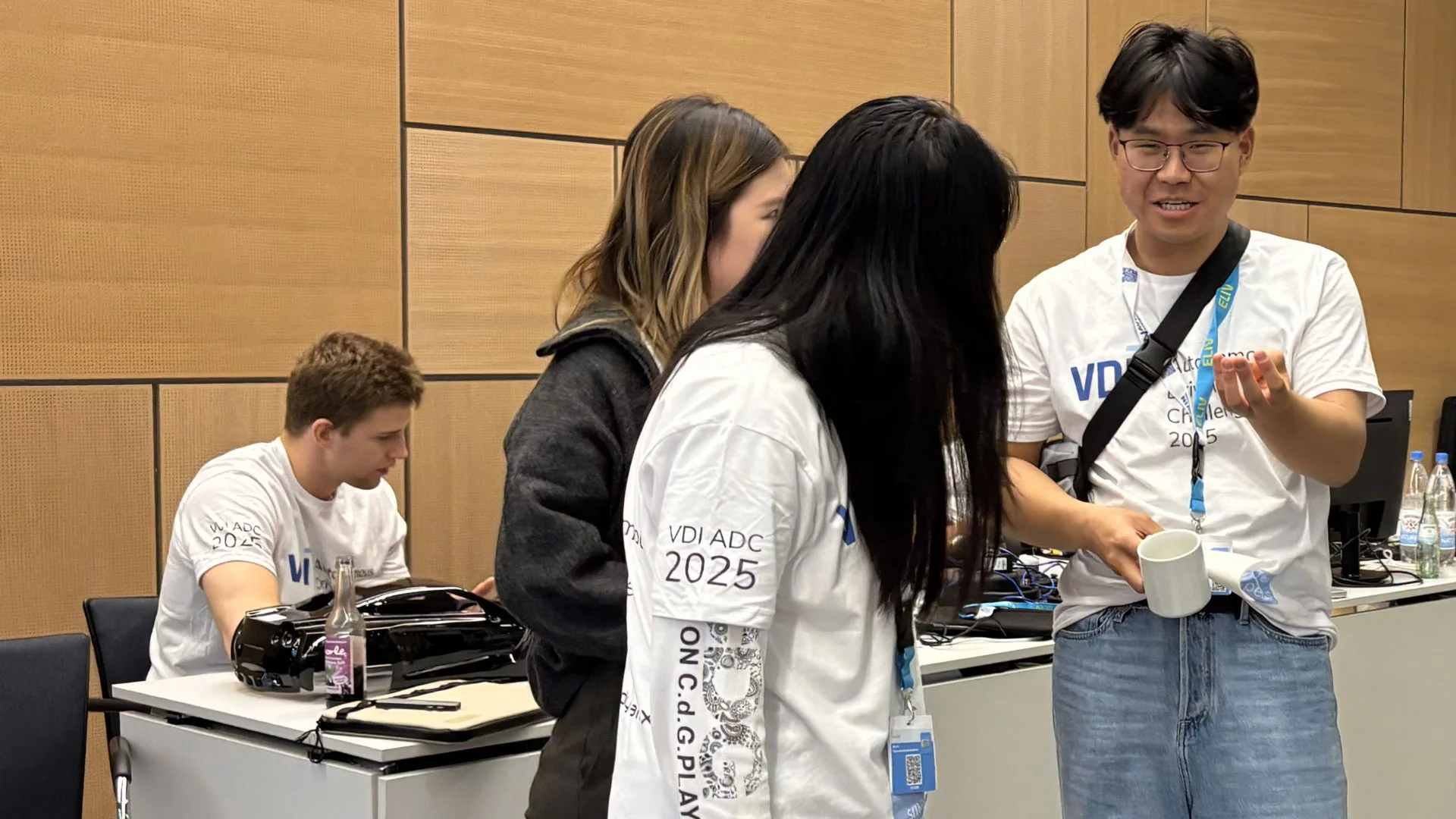
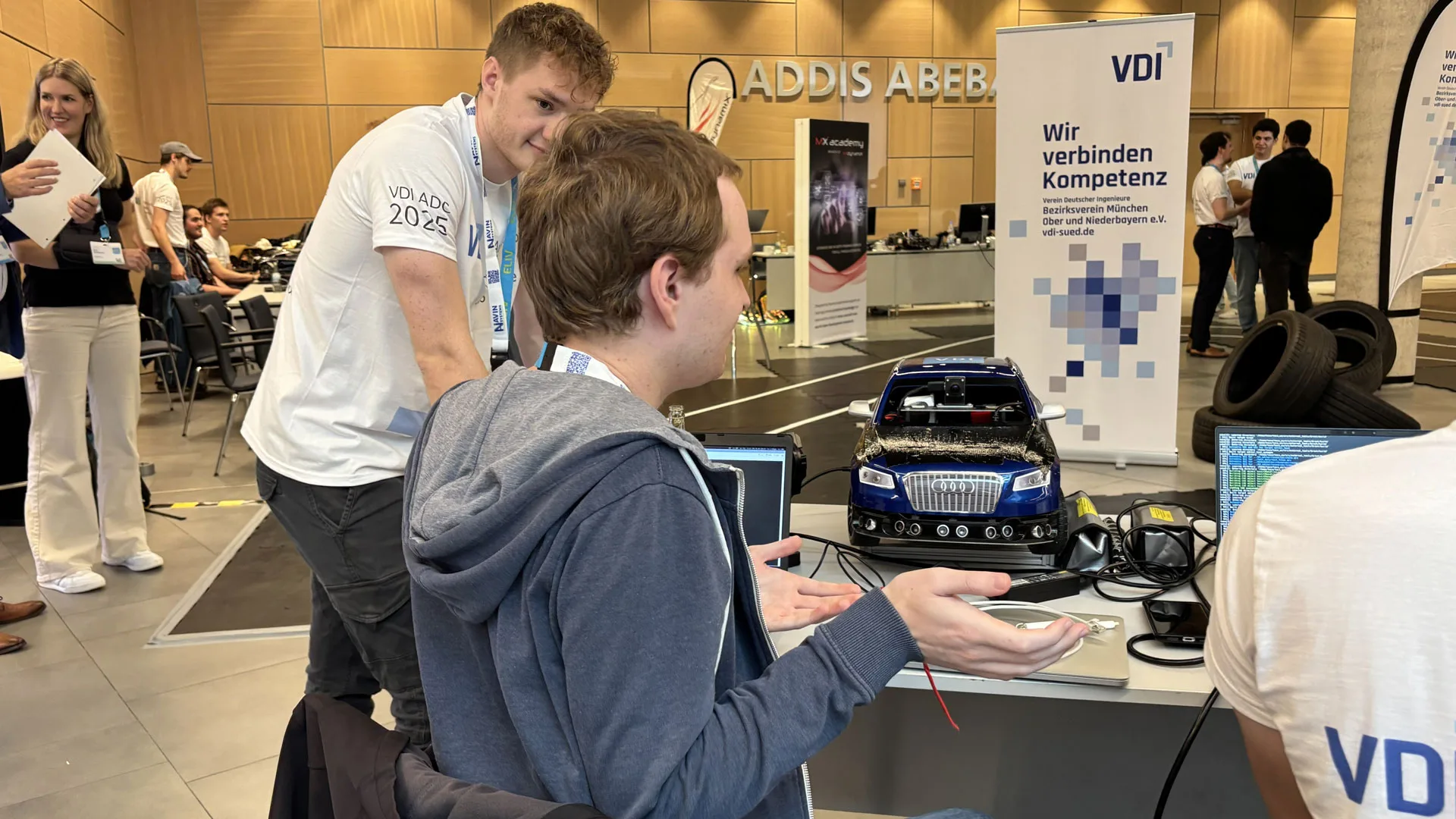
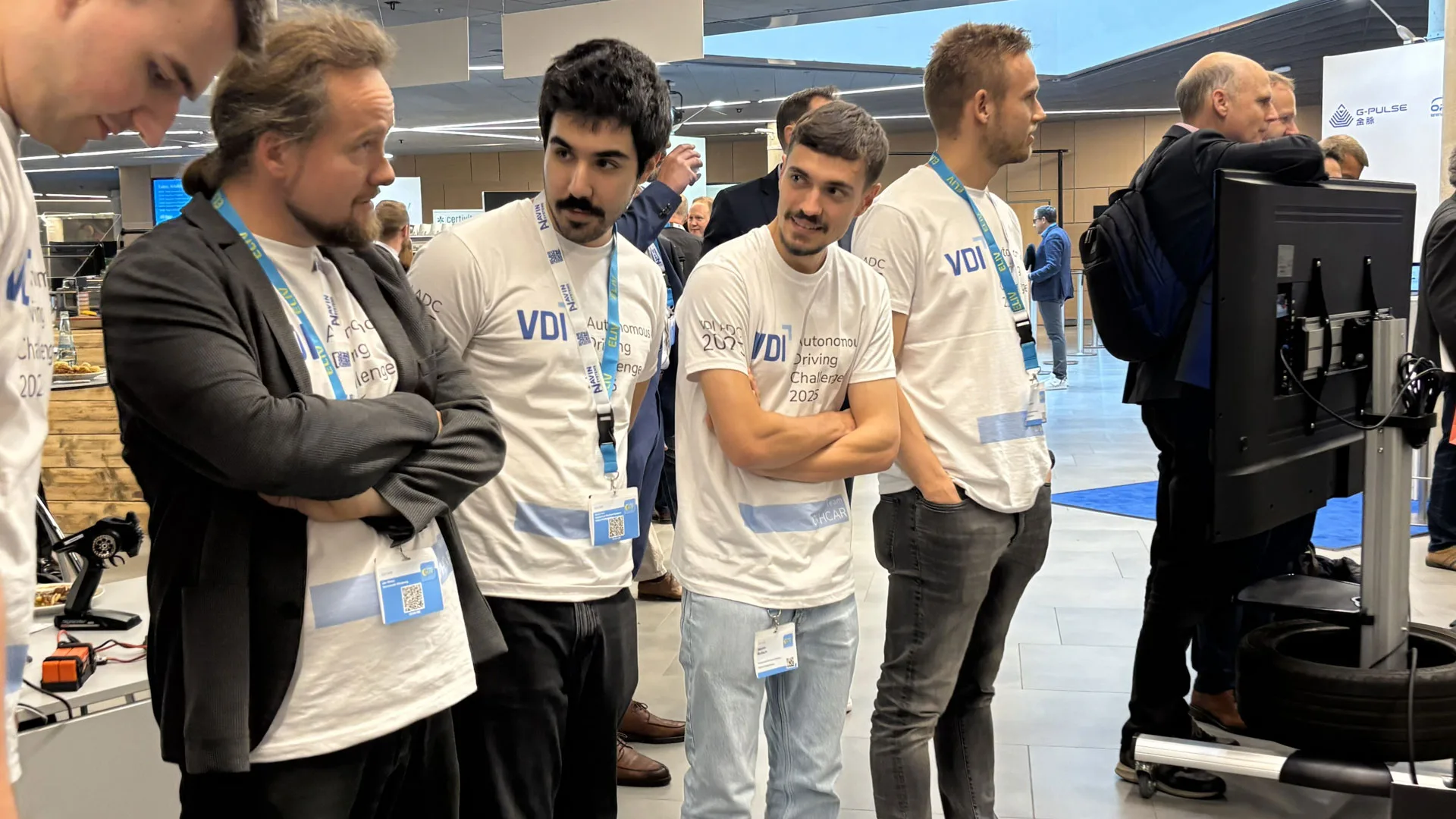
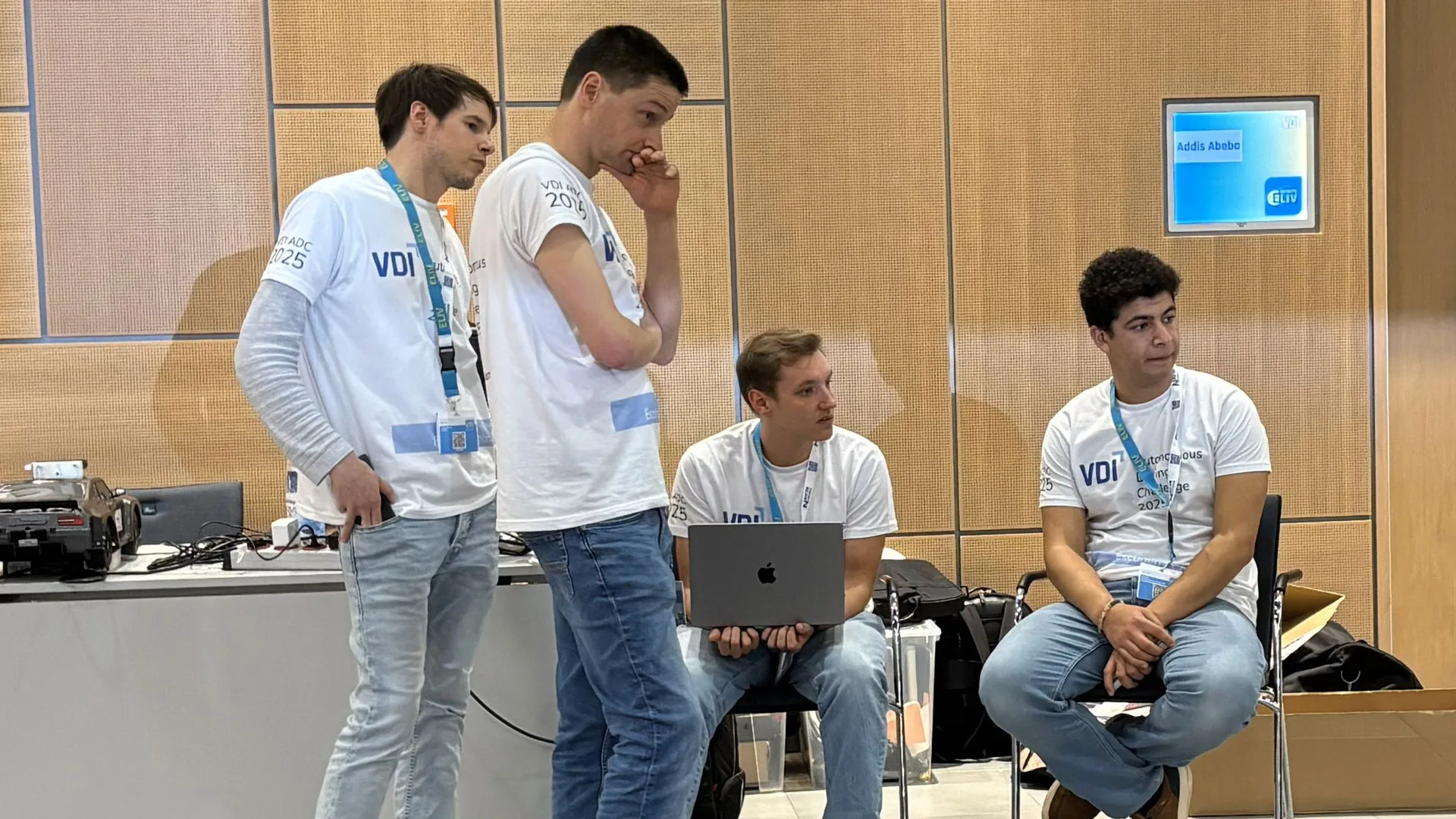
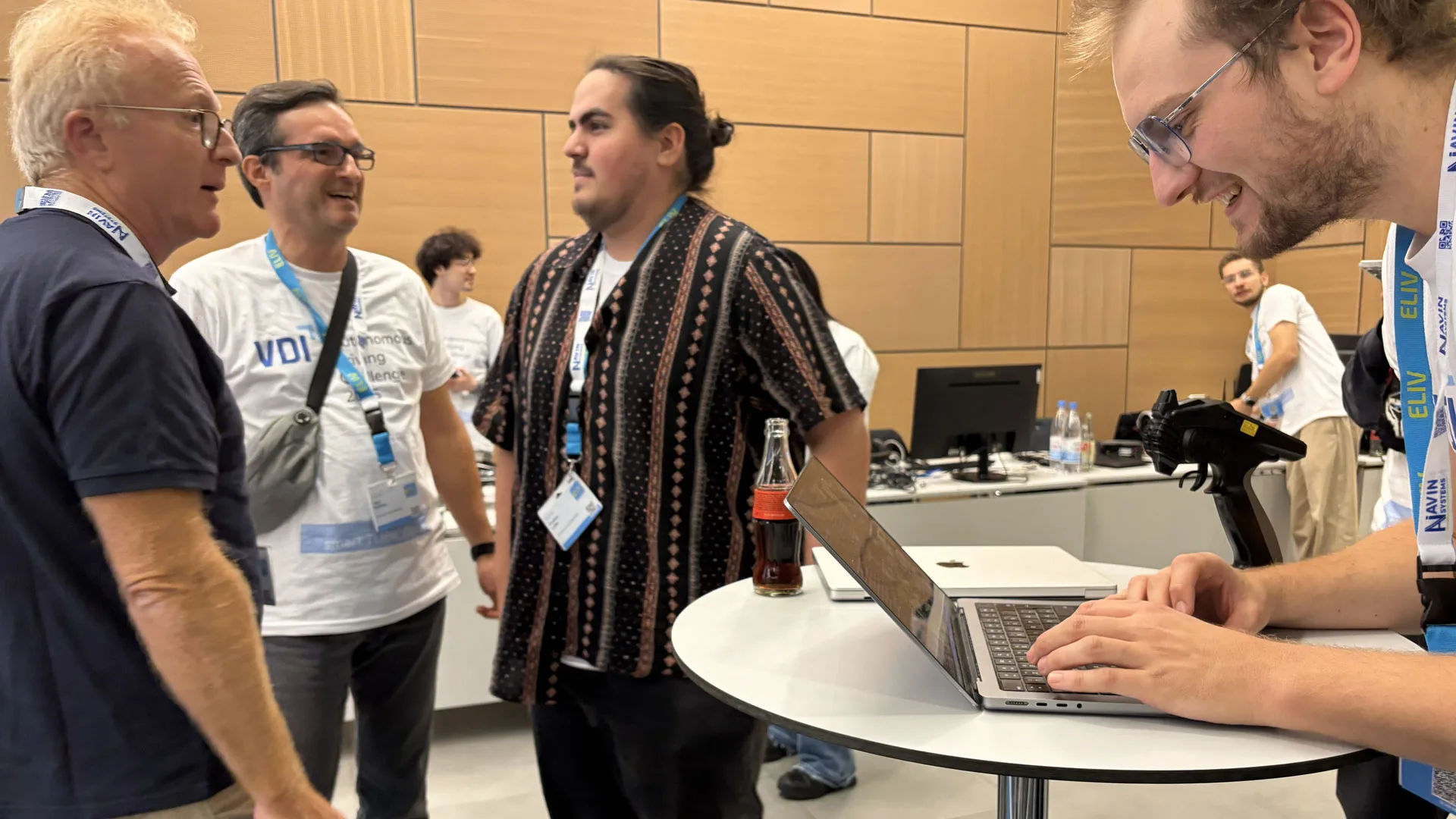
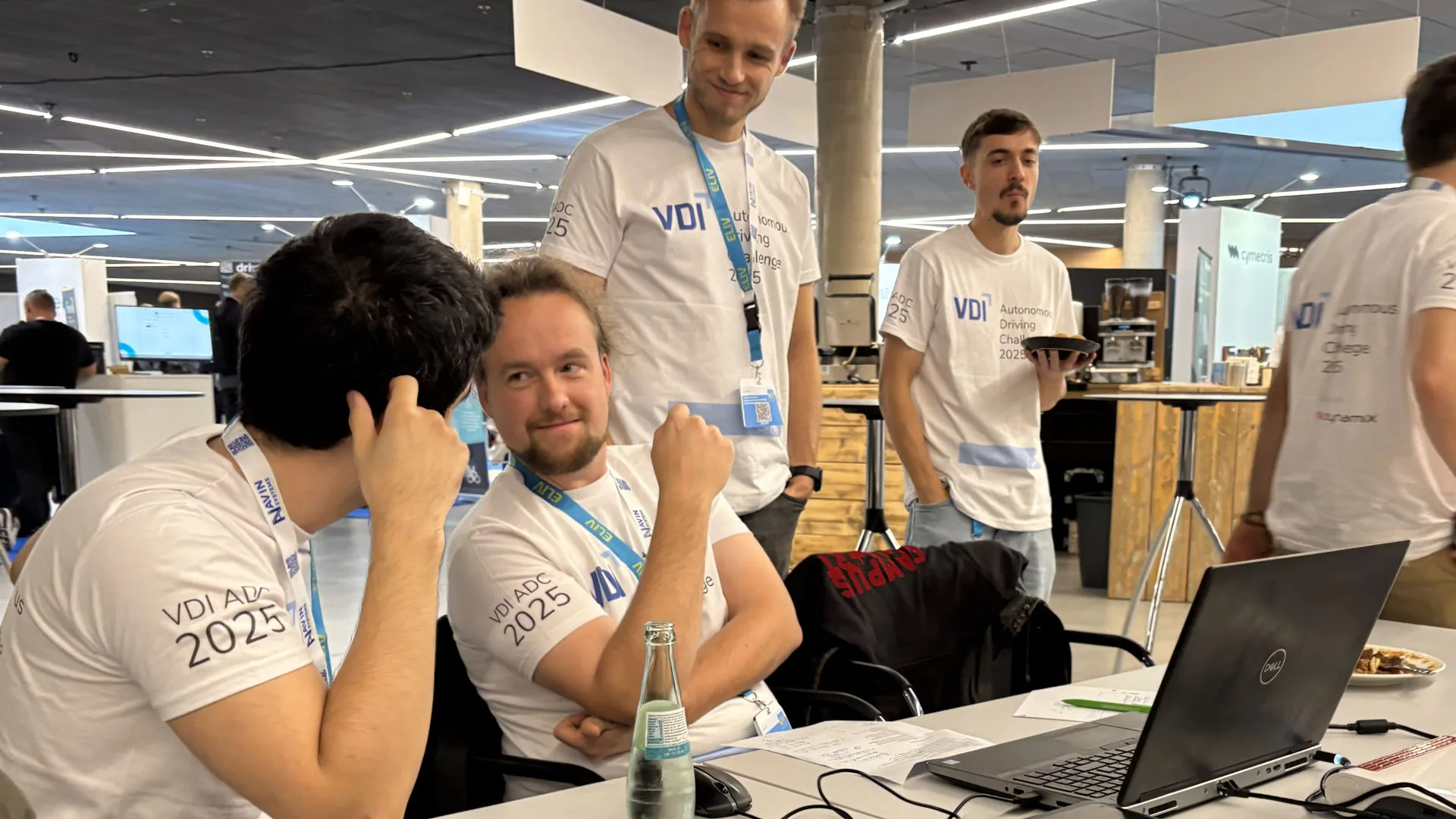
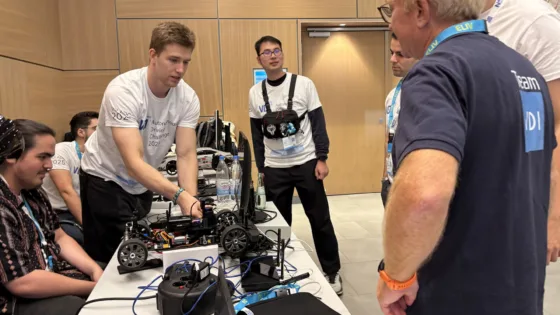
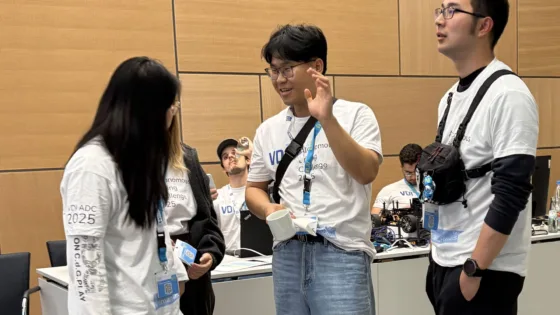
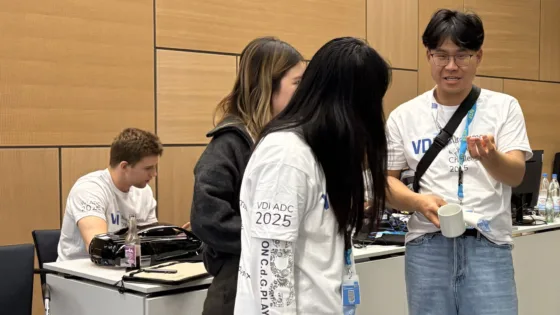
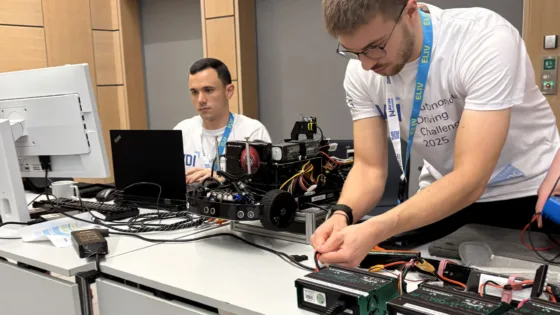
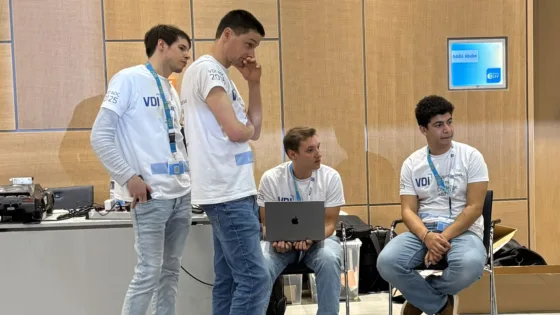
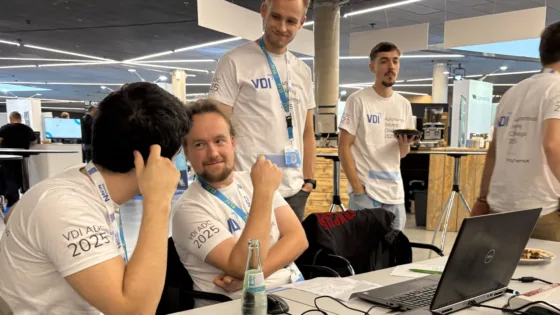
VDI ADC so special: collegial exchange and mutual support despite the competitive setting. Teams helped each other with hardware issues, discussed filter settings or image-processing parameters, and adapted their systems to the hall — whose lighting conditions, floor reflections, and visual reference points differ significantly from those in the lab.
Free practice is therefore far more than just a warm-up: it creates fair conditions, enables essential fine-tuning, and mentally prepares the teams for the competition.
Competition day: a demanding track and defining key moments
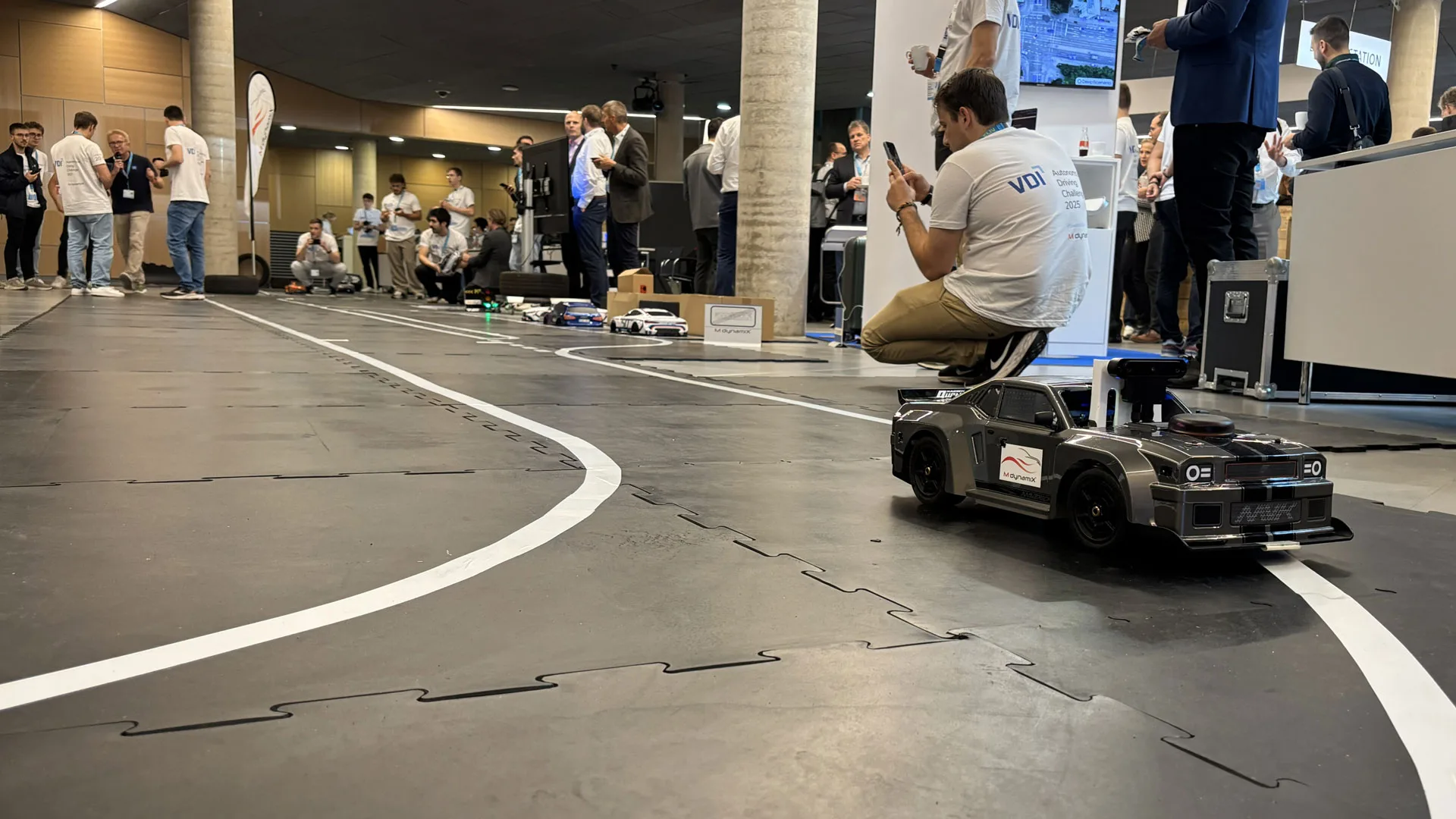
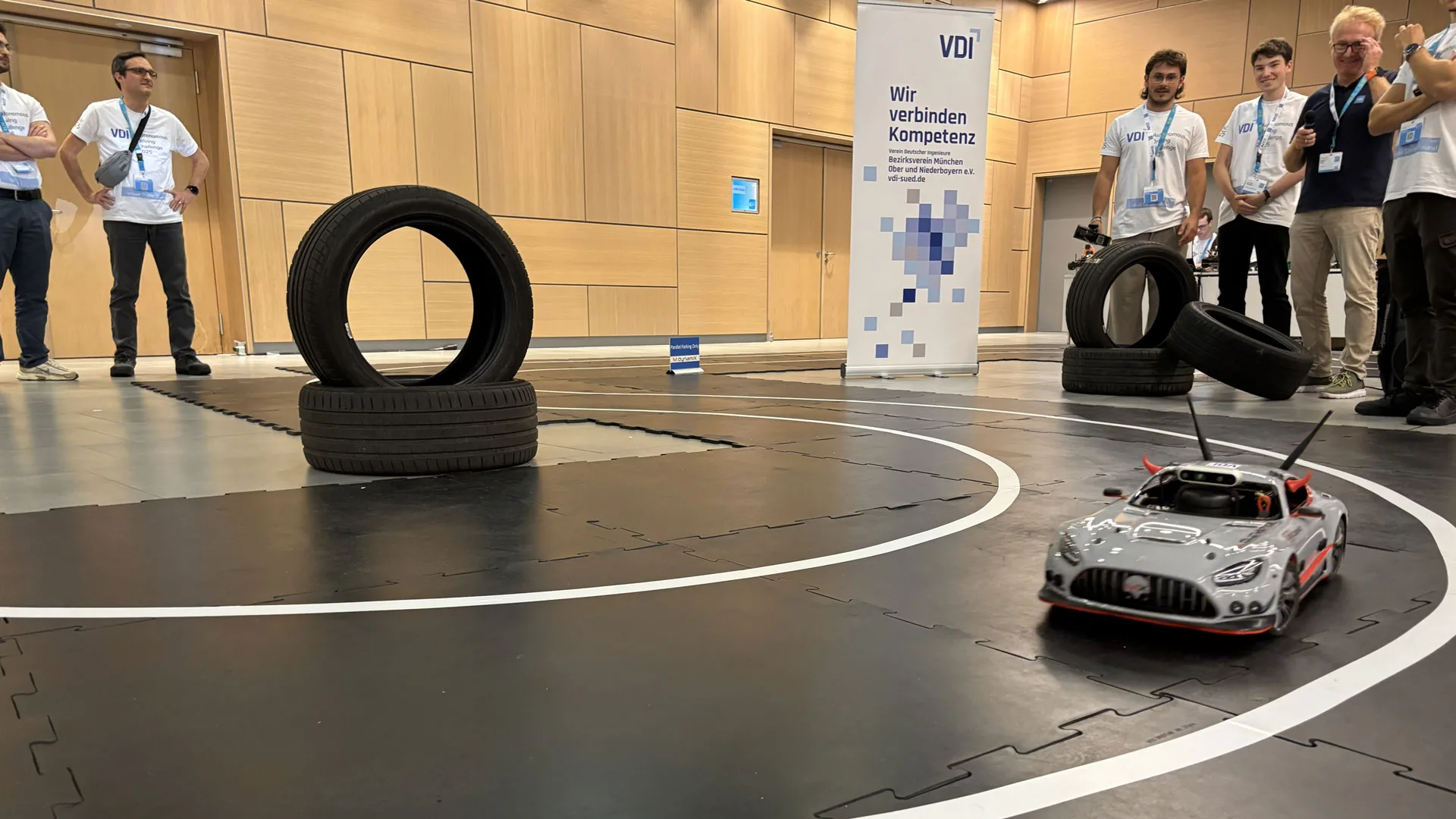
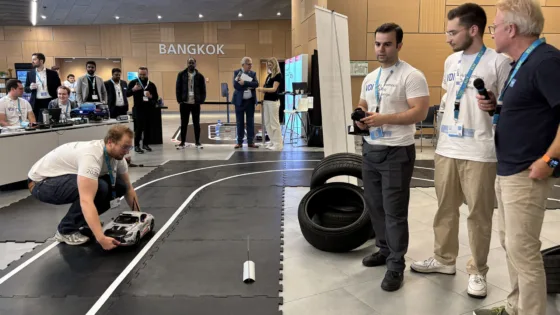
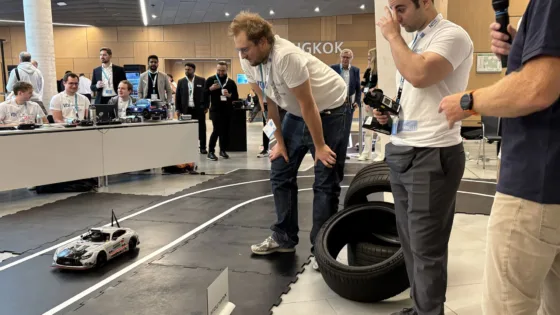
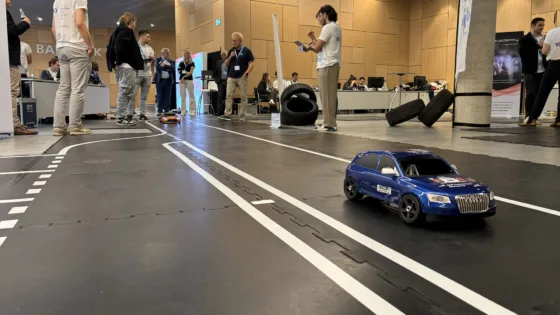
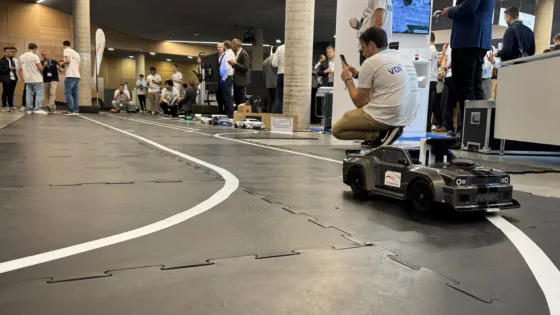
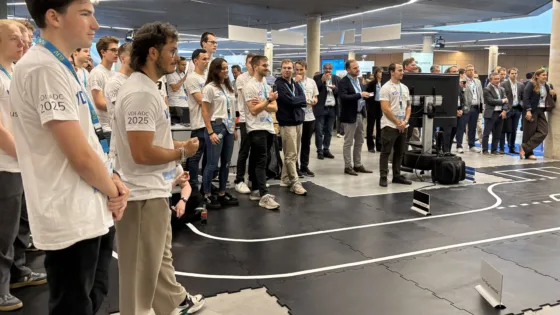
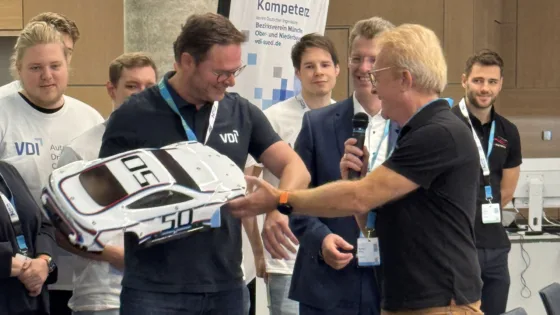
Wednesday had it all: the track proved challenging, especially the combination of a long straight followed by a sharp turn, which posed real difficulties for many vehicles and led to some spectacular moments. A dramatic crash of the SAM vehicle, competing for Munich University of Applied Sciences, became an emotional highlight and spread quickly across social media.
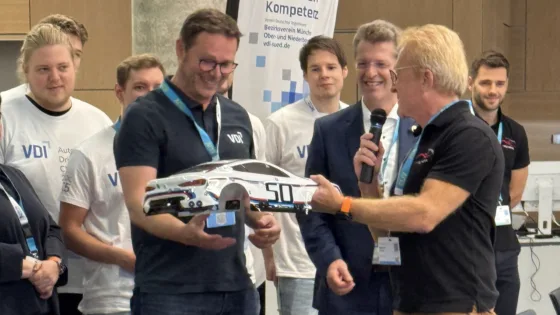
But despite this setback, team SAM fought its way back to the top and ultimately secured the victory. Their recipe for success lay in a blend of anticipatory driving, perfect corner timing, and the courage to deliberately deviate from the classic racing line.
The goosebump moment of the day came from team CVH of Bochum University of Applied Sciences with a daring overtaking maneuver. Its flawless execution drew the audience right up to the edge of the track and sent waves of excitement through the hall.
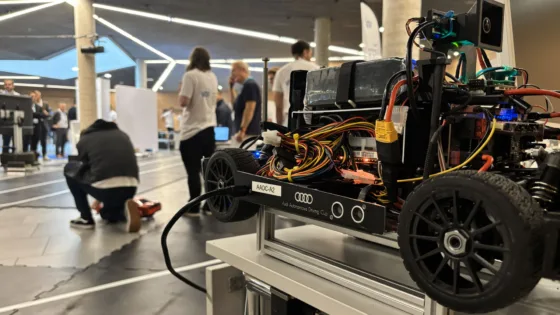
Much calmer — yet no less impressive — was the performance of team Escuderia Colonia from Cologne. With a sophisticated vehicle platform and stoic precision during parking tasks, they earned not only plenty of respect but also valuable points.
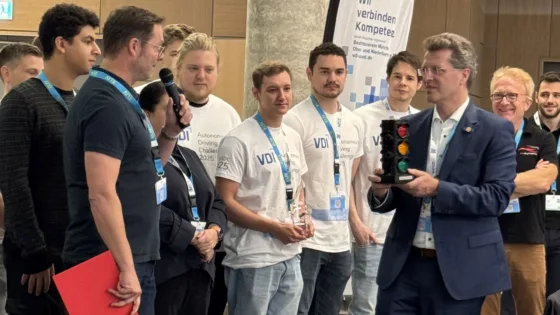
How these performances ultimately translated into the final rankings of the VDI Autonomous Driving Challenge 2025 is shown in the overview:
-
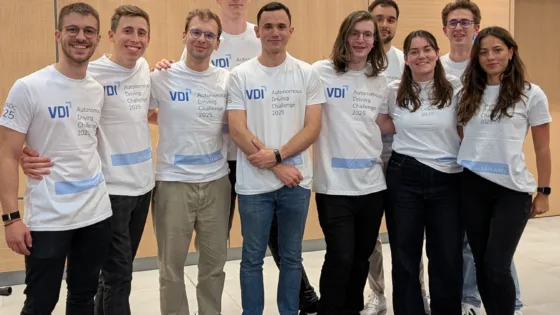
1. Platz: SAM_AADC (Hochschule München).
Den Nachbericht aus Sicher der Hochschule gibt es hier. -

2. Platz: CVH (Hochschule Bochum – Campus Velbert-Heiligenhaus).
Den Nachbericht aus Sicher der Hochschule gibt es hier. -
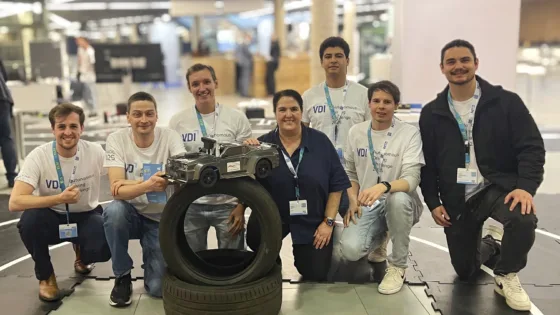
3. Platz: Escurida Colonia (Technische Hochschule Köln).
Den Nachbericht aus Sicher der Hochschule gibt es hier. -

4. Platz: Taco (Hochschule Offenburg).
Den Nachbericht aus Sicher der Hochschule gibt es hier. -
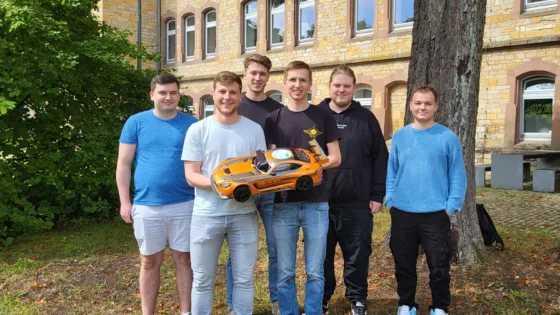
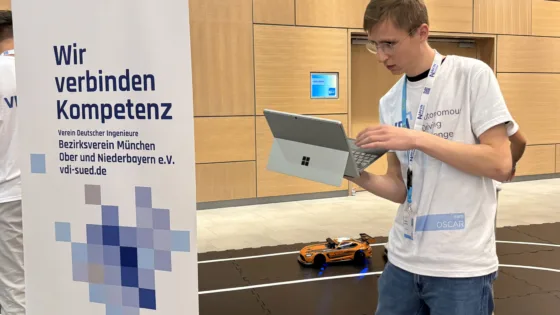
5. Platz: OSCAR (Hochschule Osnabrück).
Den Nachbericht aus Sicher der Hochschule gibt es hier. -
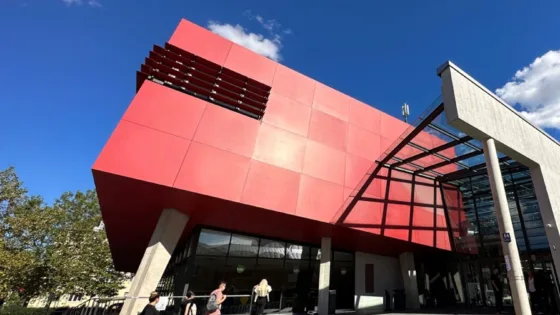
6. Platz: 404 – No Driver Found (Hochschule München).
-
7. Platz: SAM_MXCK (Hochschule München).
-
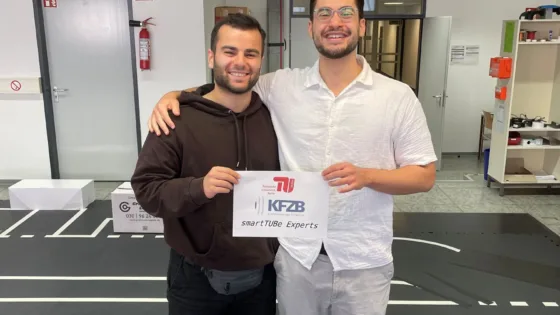
8. Platz: smartTUBe_Experts (Technische Universität Berlin).
Den Nachbericht aus Sicher der Hochschule gibt es hier. -

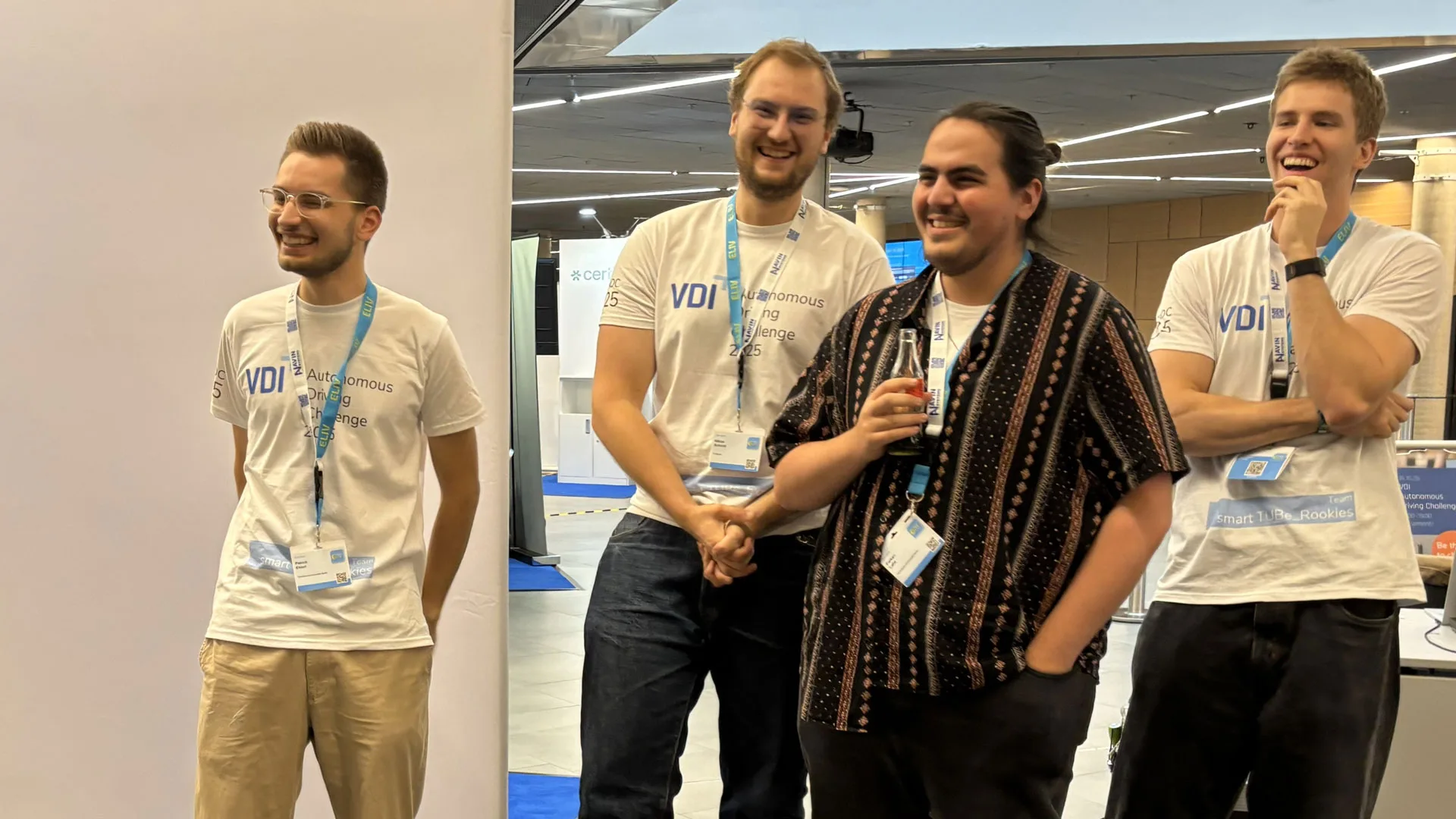
9. Platz: smartTUBe_Rookies (Technische Universität Berlin).
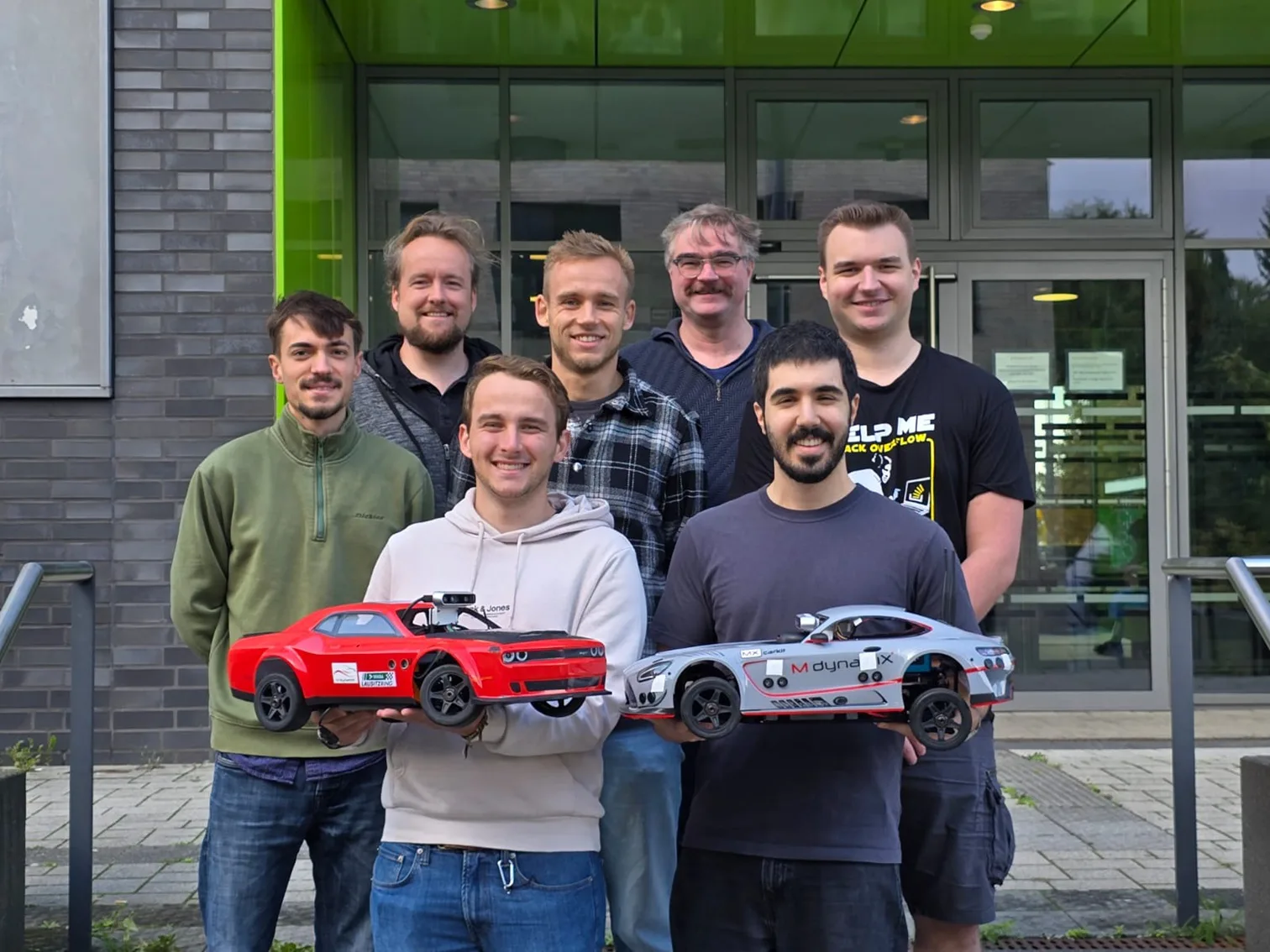

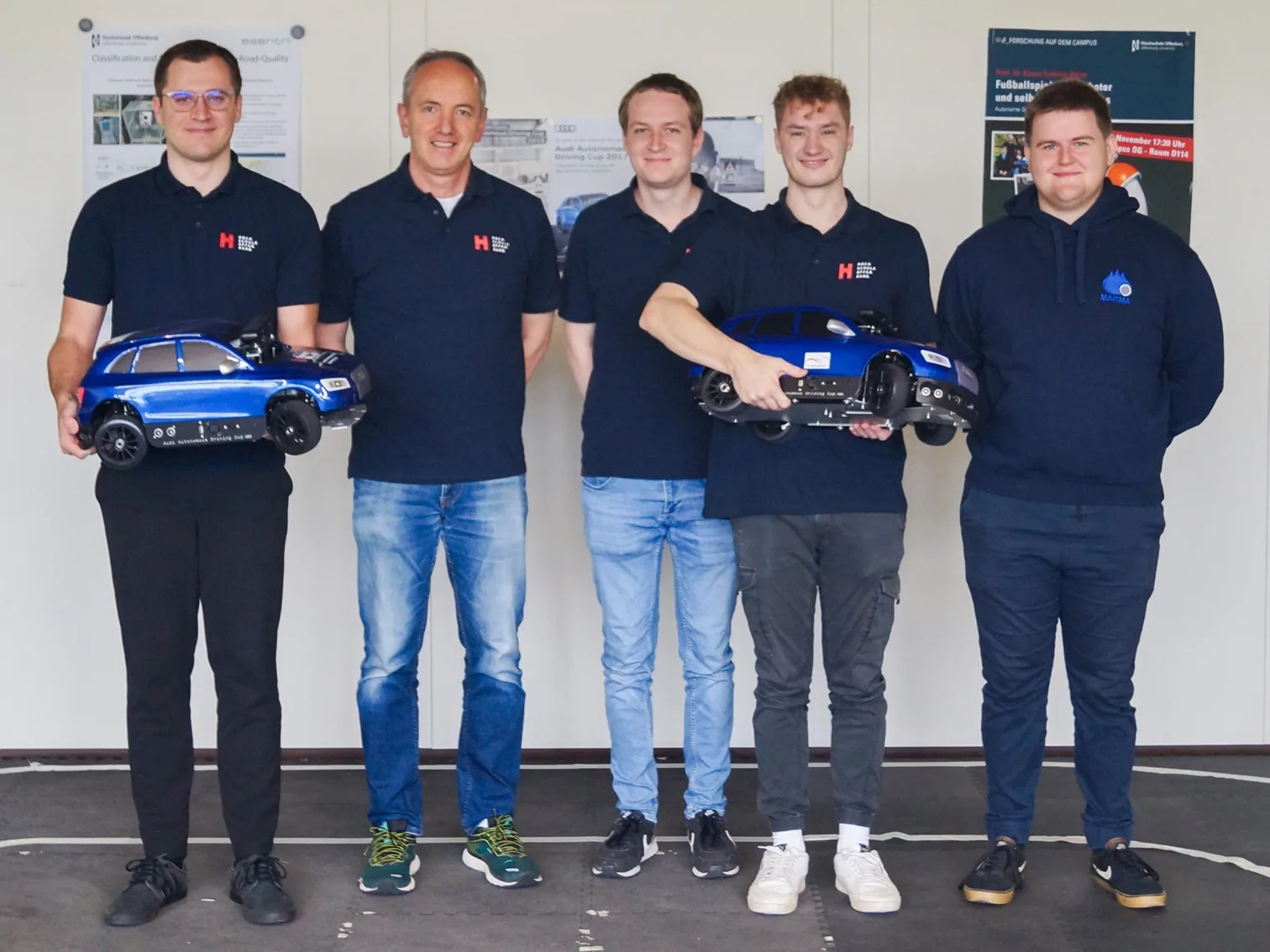


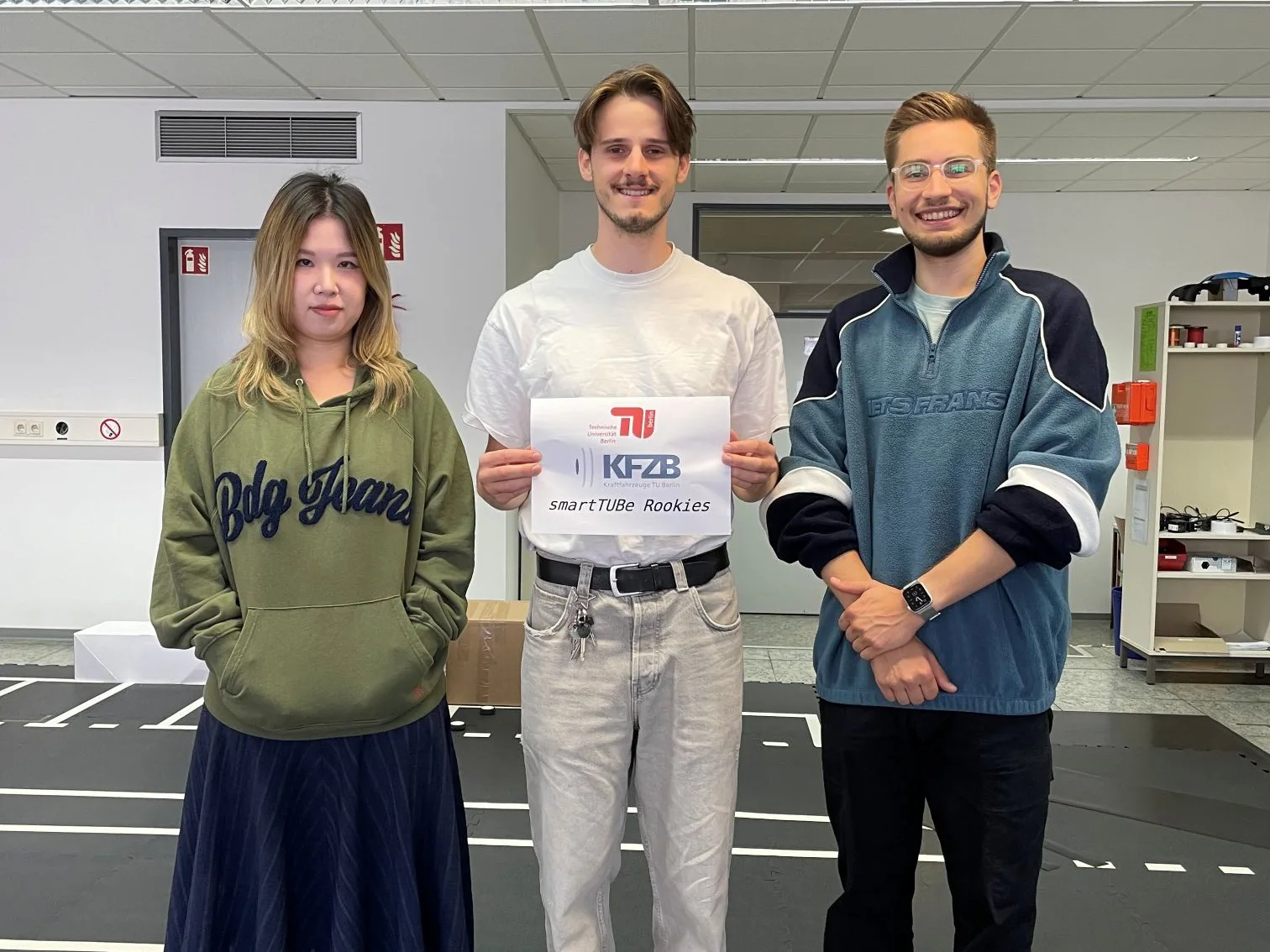
Intelligent driving strategies and new programming approaches
The progress compared to previous years was unmistakable: the teams combined sophisticated driving strategies, new programming approaches, and innovative hardware platforms to develop more precise, more dynamic, and smarter solutions for the competition:
- Team CVH from Bochum University of Applied Sciences – Campus Velbert-Heiligenhaus impressed with a precise SLAM (Simultaneous Localization and Mapping) approach for environmental perception.
Their programming focus was on real-time localization combined with simultaneous mapping of the surroundings. This allowed the vehicle to determine its own position with high accuracy while “recording” the environment. The result: significantly more accurate driving decisions and optimized cornering behavior. - How controlled apex-cutting can boost dynamics was demonstrated by team SAM from Munich University of Applied Sciences.
Algorithmically, team SAM relied on deliberately deviating from the classic racing line to increase dynamics and speed. Behind this strategy lies a complex decision matrix: when to accelerate, when to brake, how to cut corners optimally — all based on sensor data and real-time computations. This allowed the vehicle to navigate demanding sections of the track with exceptional efficiency and gain valuable time. - For the first time, several teams attempted overtaking maneuvers.
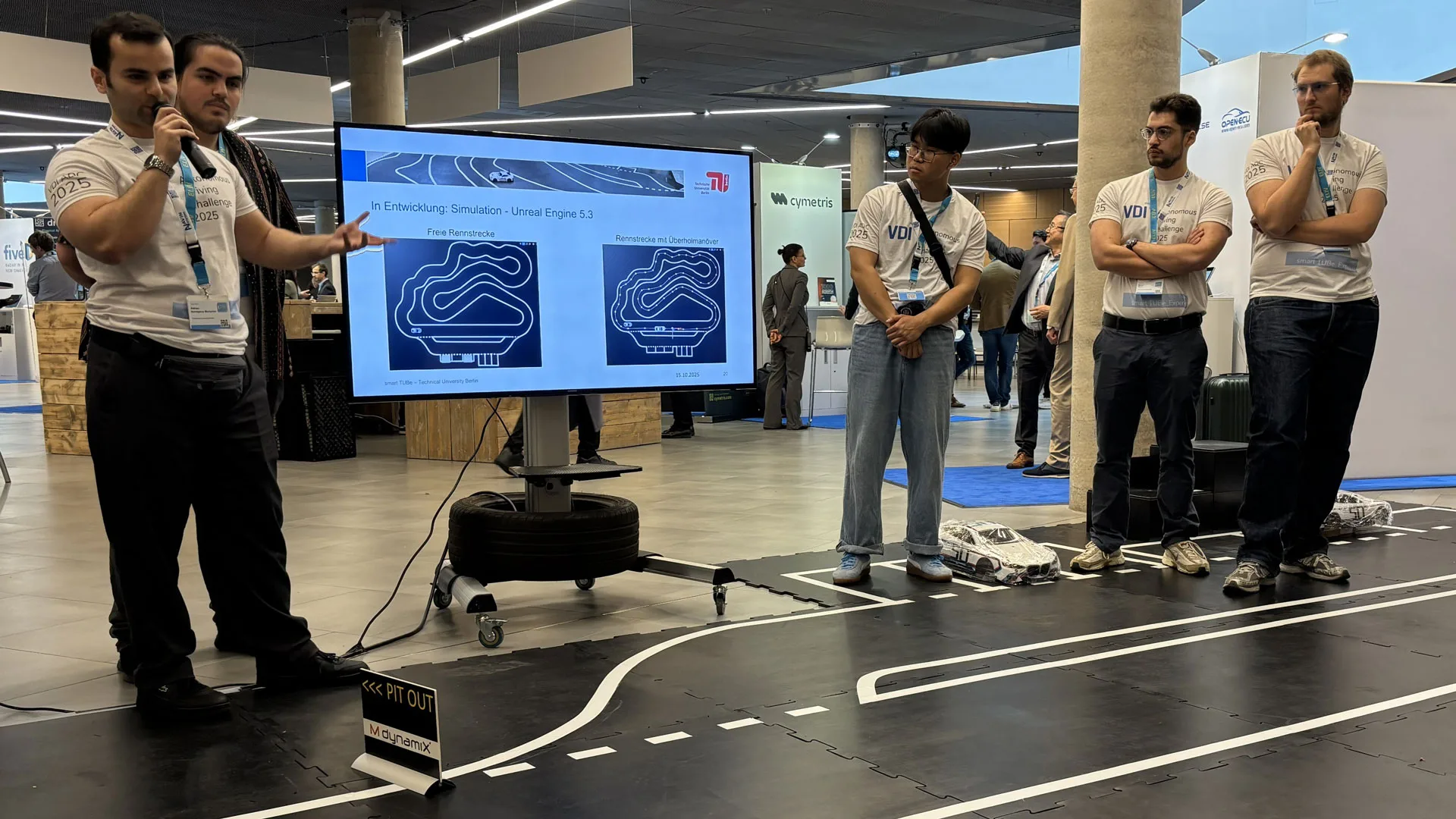
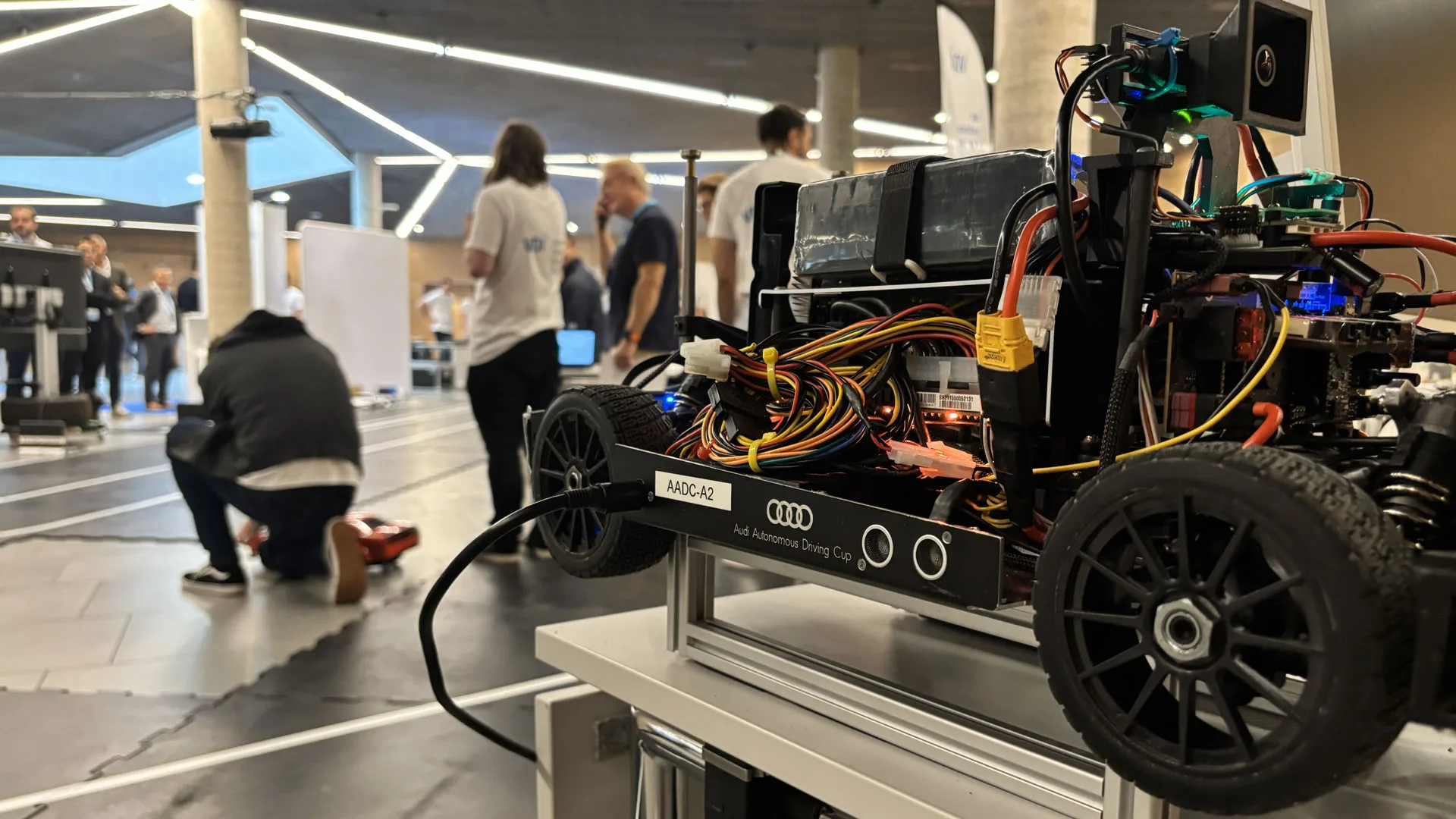
They succeeded in programming their vehicles to calculate the optimal timing and location for overtakes under dynamic conditions. At the same time, they implemented avoidance and safety logic to prevent collisions and maintain stable performance even in critical situations.. - Teams from the universities in Berlin (smartTUBe_Experts, smartTUBe_Rookies) and Cologne (Escuderia Colonia) showcased completely new hardware platforms.
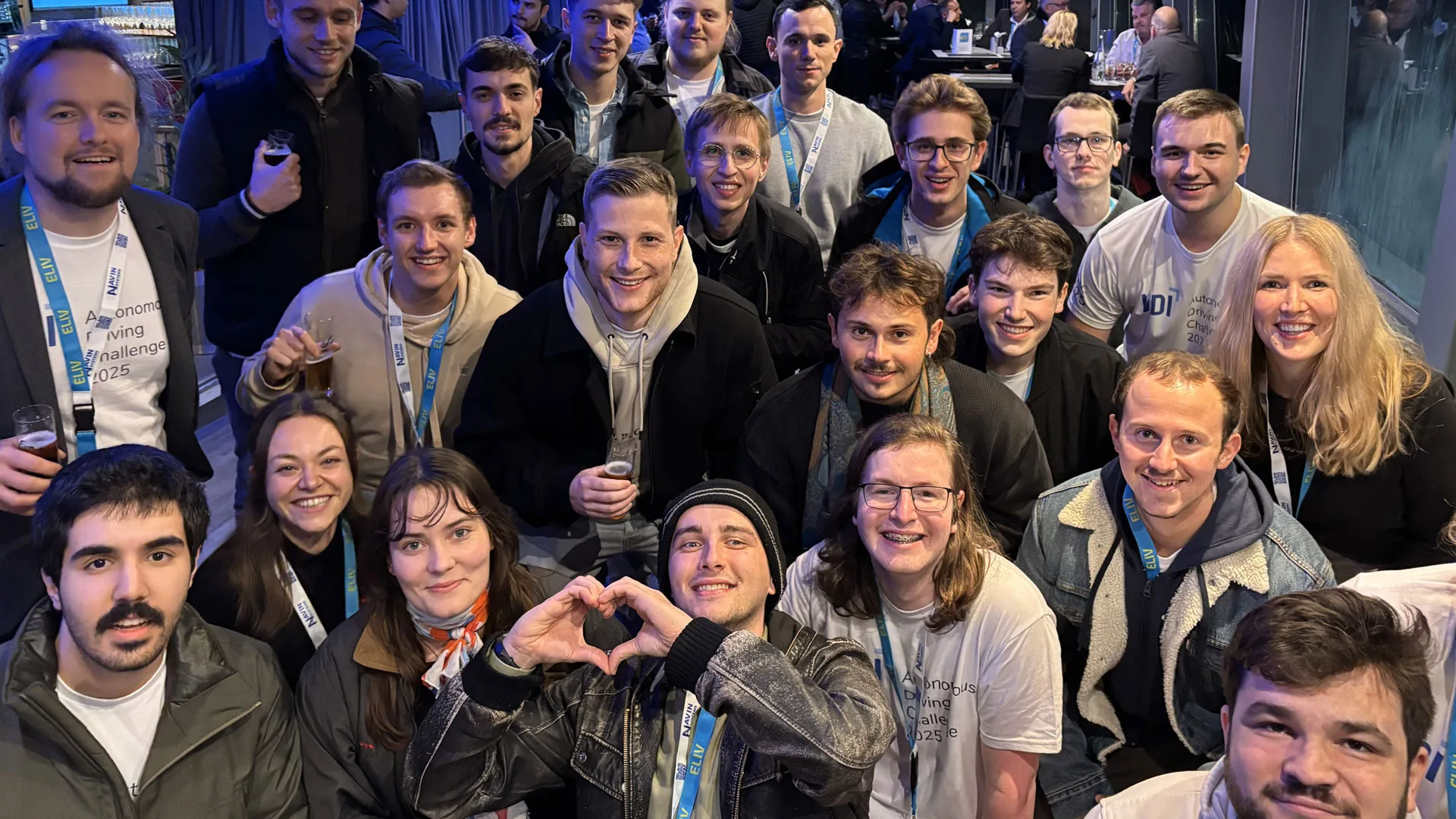
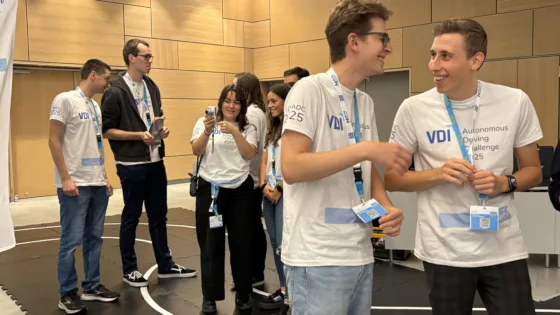
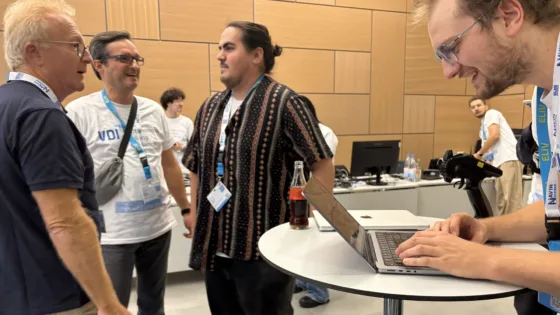
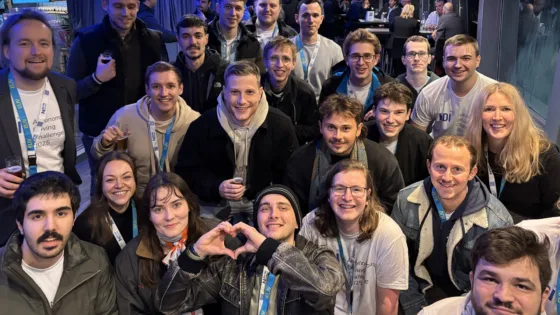
The teams’ motivation was clearly palpable: they wanted to test their technical solutions in direct comparison, be part of a major event, and benefit from a networking atmosphere that was especially vibrant this year. Many took the opportunity to engage with industry representatives—perhaps marking the starting point for future careers.
Why the VDI ADC is so valuable – A platform that showcases talent
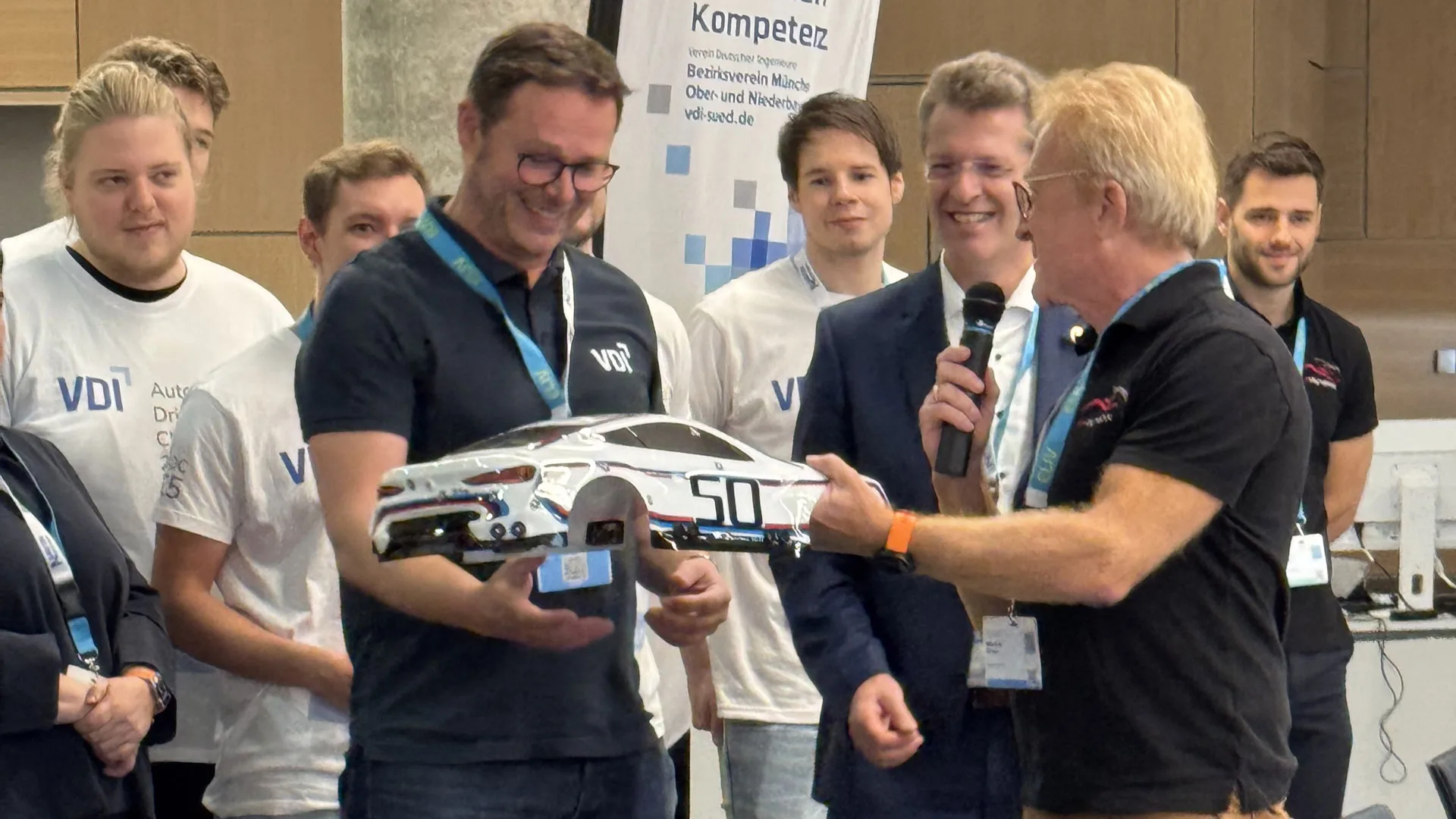
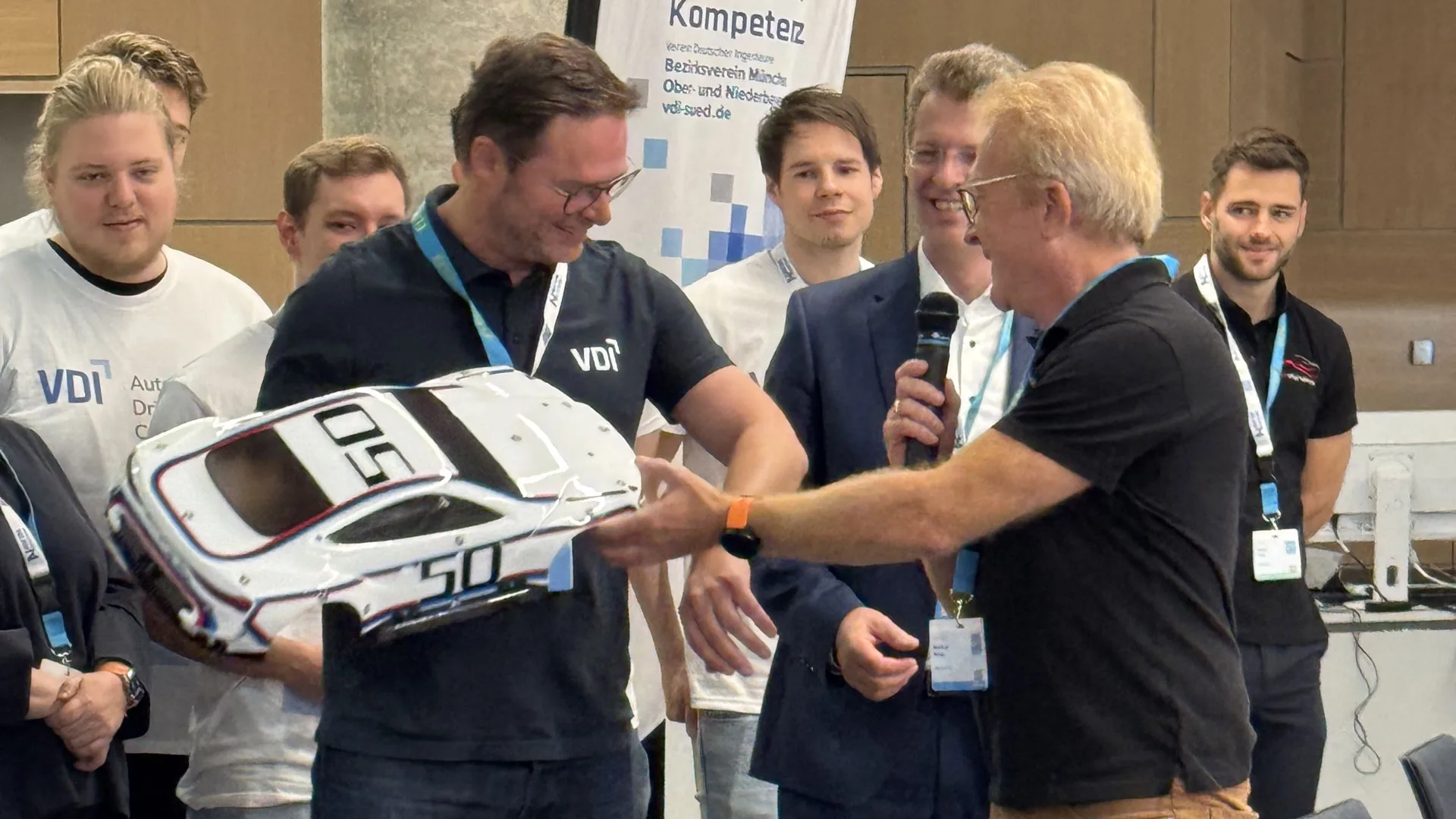
“For us, promoting innovation and research is at the heart of what we do: the student teams often work in unconventional and experimental ways—precisely what provides valuable impulses and strengthens the connection between research and practice. Of course, we seize the opportunity to get to know young talents early on, whose dedication and technical expertise match exactly the profile the automotive industry is looking for. Last but not least, our involvement allows us to sharpen our positioning within the autonomous driving ecosystem and to visibly underline our role as an innovative technology partner.” – Markus Krug, CEO of MdynamiX, on the motivation behind the repeated platinum partnership.
This philosophy is reflected in the very character of the challenge: it is much more than a competition. It serves as a learning lab, an innovation engine, and a bridge between academic training and industrial requirements. Students tackle real mobility challenges—free from professional tunnel vision and driven by intrinsic motivation. In doing so, the challenge makes the technical skills, creativity, and teamwork of young talents visible in a genuine and practice-oriented way.
Thank you – no strong event without strong partners
A big thank you goes to:
- VDI Bezirksverein München, Ober- und Niederbayern e.V.
- VDI Wissensforum
- MAHA Maschinenbau Haldenwang GmbH & Co. KG
Their commitment makes the VDI Autonomous Driving Challenge possible and creates the conditions in which students can gain hands-on experience, develop innovative solutions, and build valuable connections.
Outlook: the future of the VDI ADC – even closer to real-world autonomous driving scenarios
Keeping pace with developments in mobility means that the VDI ADC continuously evolves its technical requirements and competition disciplines. The goal is to align the challenge even more closely with real-world autonomous driving scenarios. In this context, topics such as situational and object recognition using machine learning, as well as cooperative driving via Car2X, are coming increasingly into focus.
In this way, the challenge remains an important platform for preparing the next generation of technical experts in a hands-on manner for the challenges of autonomous driving.
Be part of the VDI ADC 2026!
To our partners: Take the opportunity to support a unique project that combines innovation, research, and the promotion of young talent in autonomous driving. Your partnership makes the platform possible, allowing students to experiment, learn, and bring their ideas to life in a hands-on environment.
To the students: Show your skills and creativity! Sign up for the VDI ADC 2026 and test your autonomous vehicles in a challenging, real-world competition—the perfect starting point for your career in the mobility of tomorrow.
-
Test Untertitel
-
-
-
-
-
-
-
-
-

-
-
-
-
-
-
-

-
-
-
-
-
-
-
-
-
-
-
-
-
-
-
-
-
-
-
-
-
-
-

-
-
-
-
-
-

-
-
-