


Cooperation with Auto Motor und Sport
ADAS benchmark – driver assistance systems from the user’s perspective
Together with Auto Motor und Sport and the IFM – Institute for Driver Assistance and Connected Mobility, we regularly assess how safe, reliable, and comfortable modern driver assistance systems perform in everyday use—based on robust data and genuine driving impressions.
Explore all results of our field-based test series here and compare the systems directly with one another.


The focus of our tests is on key comfort assistance systems such as adaptive cruise control (ACC), lane keeping assist (LKAS), and parking assist systems (PMA). What matters is not only whether these functions operate in compliance with standards, but how their performance is actually perceived and experienced by users. But why is this perspective so crucial today?
Driver assistance systems fall short of their purpose – why genuine support in everyday driving often remains elusive
Although many functions are technically available, they are often not yet sufficiently mature from a user perspective. They recognize individual driver preferences only to a limited extent, intervene noticeably in driving behavior, and therefore feel unfamiliar or unnatural. At the same time, many users lack technical understanding when interacting with these systems.
A key role is played by the HMI (Human–Machine Interface): it determines whether users understand why the system intervenes, what it can do—and where its limitations lie. If this transparency is missing, assistance remains abstract and trust does not develop.
In the latest episode of the Moove podcast by auto motor und sport, Prof. Bernhard Schick (CEO of MdynamiX and Head of the Institute for Driver Assistance and Connected Mobility at Kempten University of Applied Sciences) discusses the limitations and challenges of modern driver assistance systems.
How we evaluate driver assistance systems holistically
The benchmark is based on a methodology that compares the measurable intervention behavior of driver assistance systems with the driver’s experience. It captures how assistance systems accelerate, decelerate, and regulate in real driving conditions—and, at the same time, how these interventions feel: whether they are understandable, build trust, and are perceived as comfortable support.
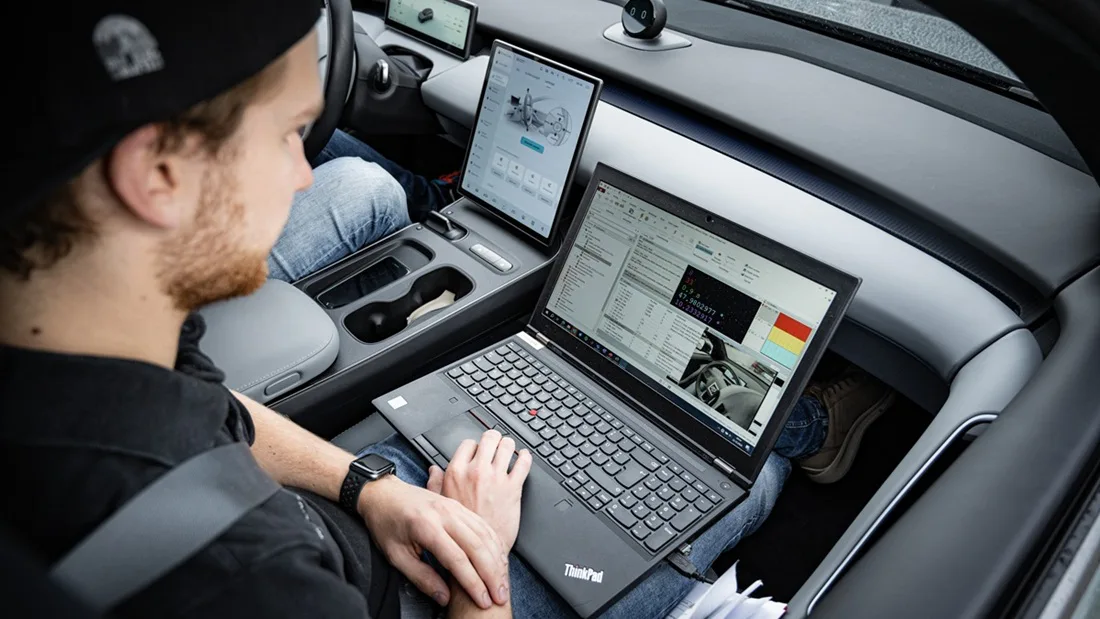
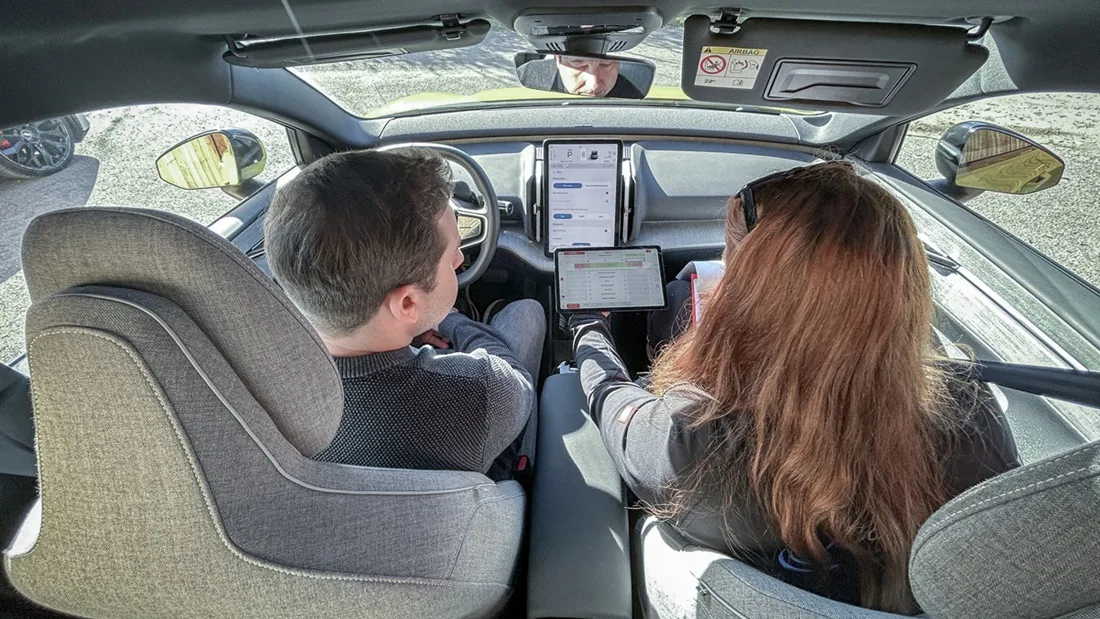
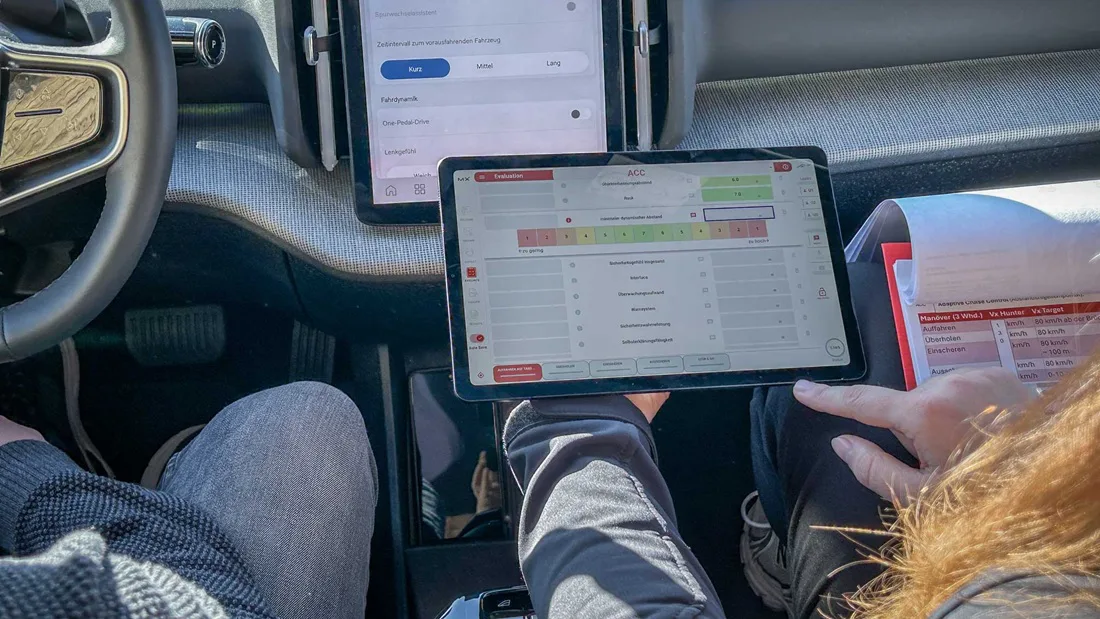
MXeval analyzes objective measurement data live in the vehicle, while driver assessments are recorded via the MXevalApp.
How we approach objective evaluation – explained using the example of the lane-keeping assistant.
How we capture direct user feedback – subjective evaluation.
Behind the Scenes: Insights into Our Benchmark Tests
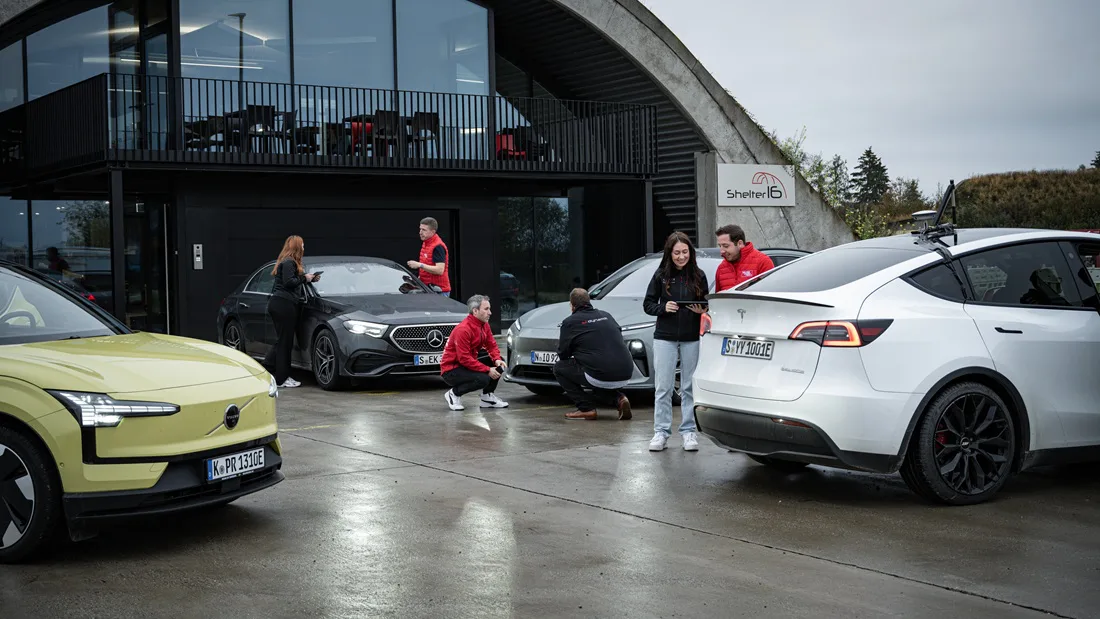
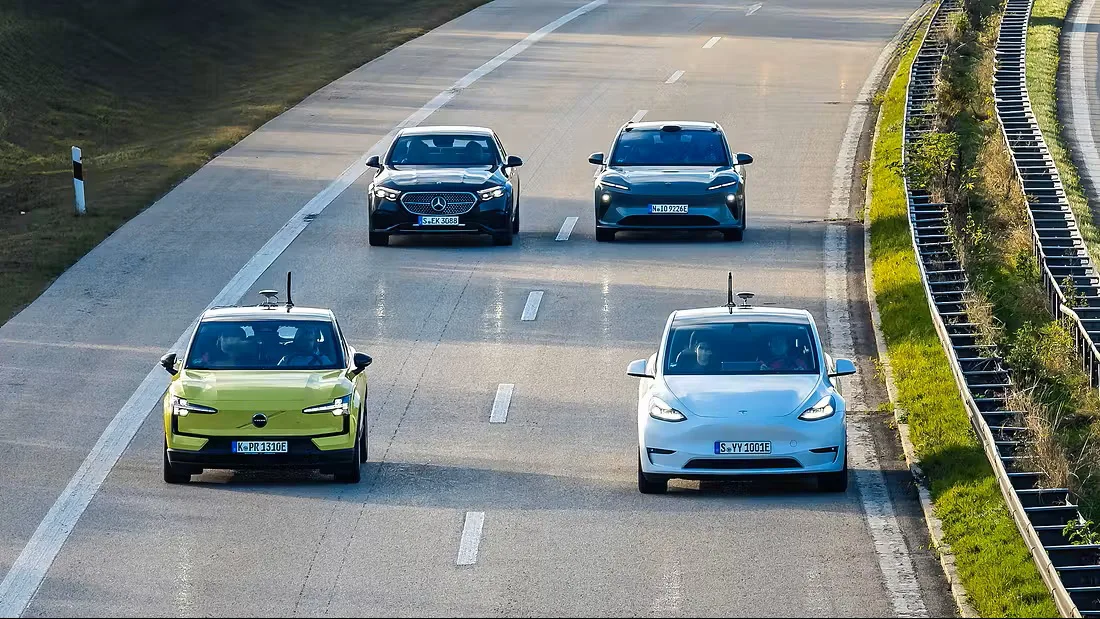
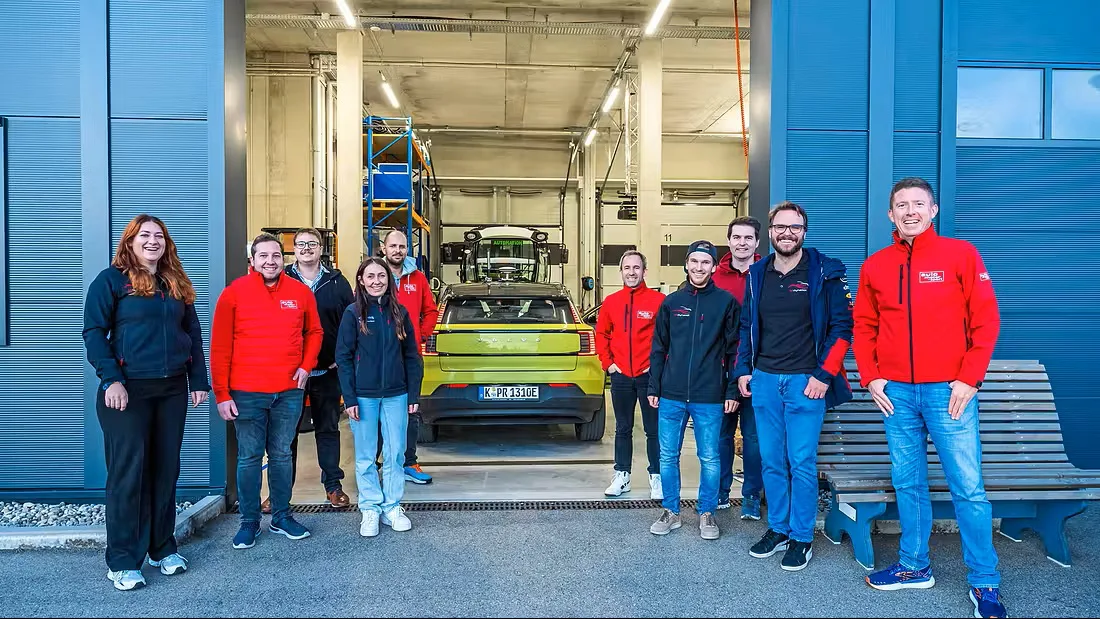
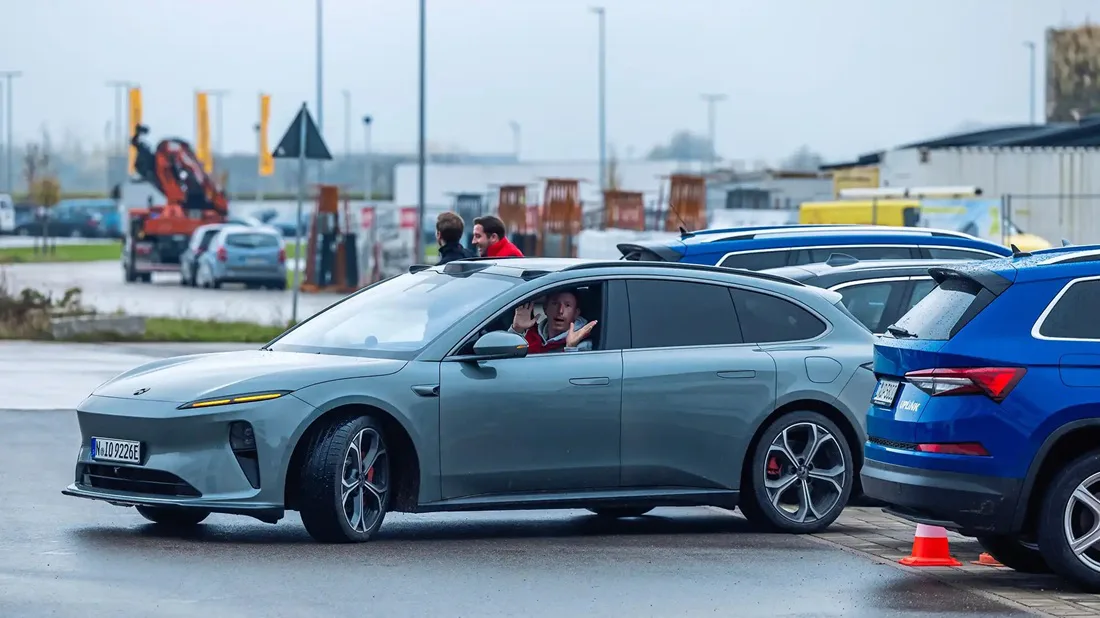
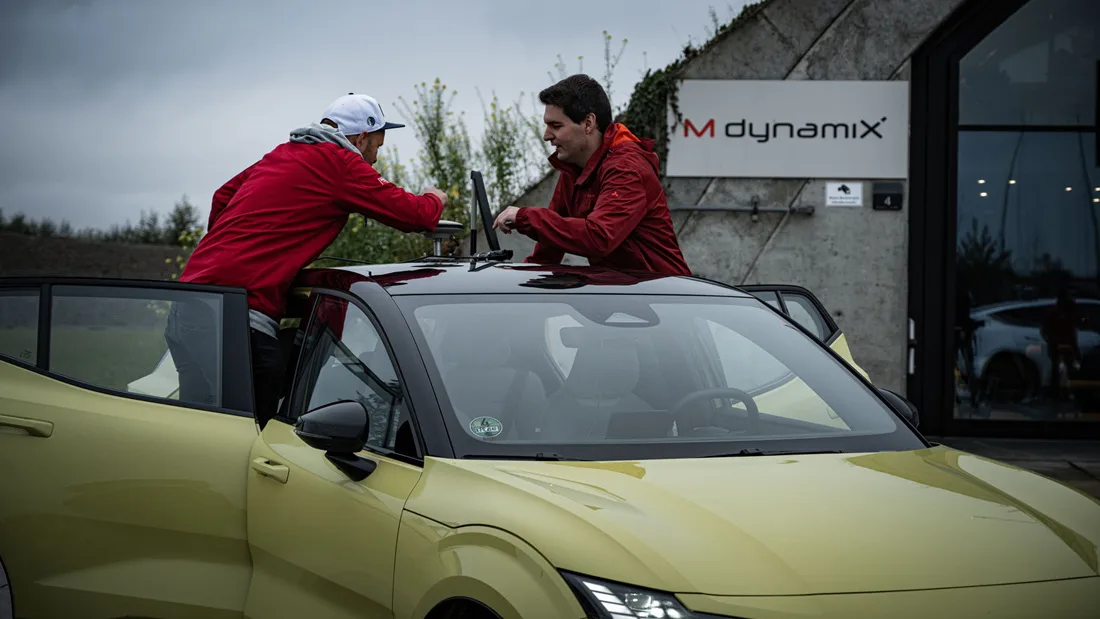
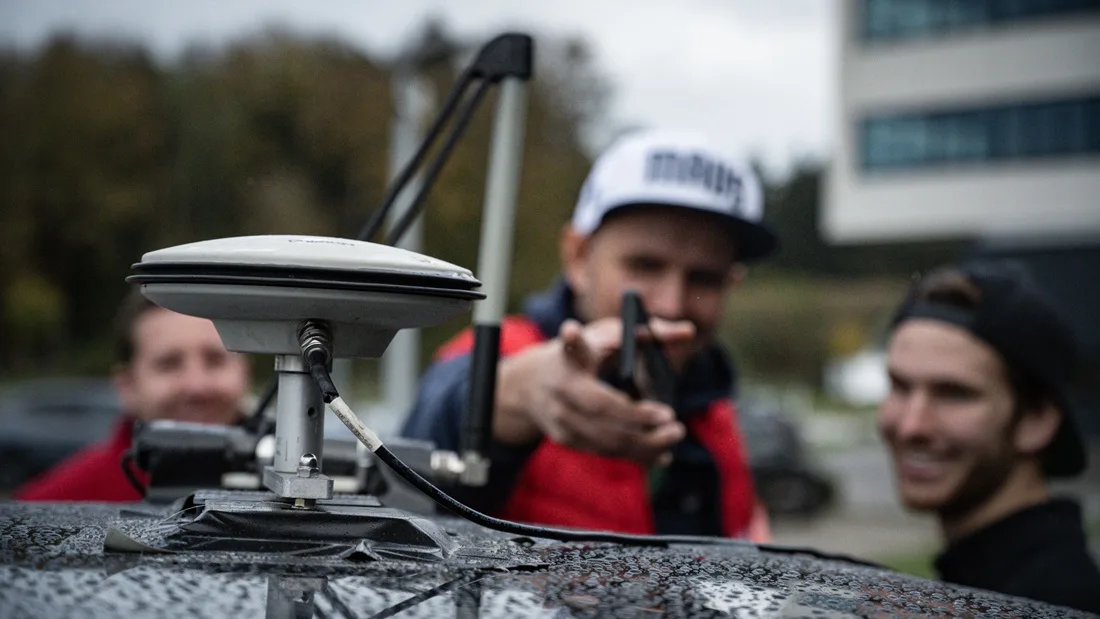
What do driver assistance system tests look like beyond charts and result tables? The following insights take you behind the scenes of our benchmark tests and show how our test engineers prepare test drives and examine driver assistance systems under real-world conditions.
-

Auftakt der gemeinsamen ADAS-Testreihe von MdynamiX, dem IFM und ams.
-

Die Fahrzeugflotte der ersten Testreihe des gemeinsamen ADAS-Benchmarks.
-
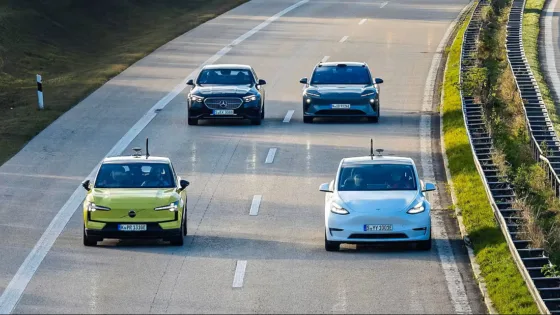
Die Fahrzeugflotte der ersten Testreihe des gemeinsamen ADAS-Benchmarks.
-
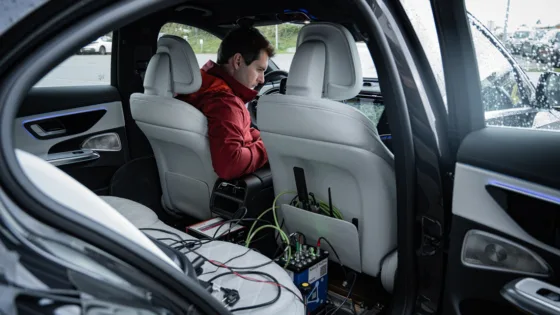
Einrichtung der Messtechnik für die objektive Datenerfassung im ADAS-Benchmark.
-
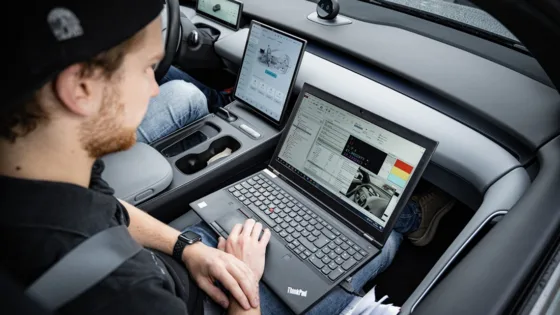
Einrichtung der Messtechnik für die objektive Datenerfassung im ADAS-Benchmark.
-
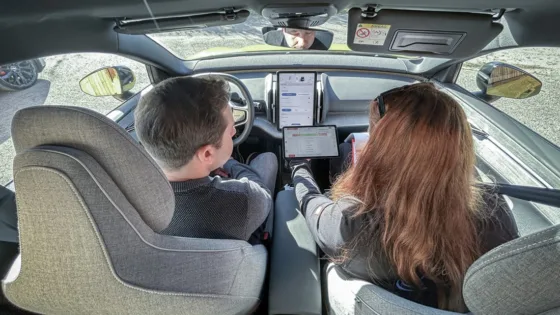
Subjektive Bewertung der Manöver direkt nach der Durchführung mit der MXevalApp.
-
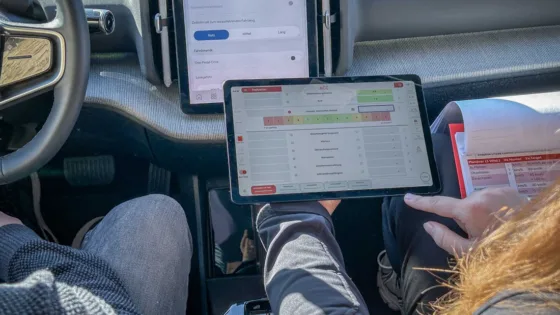
Subjektive Bewertung der Manöver direkt nach der Durchführung mit der MXevalApp.
-

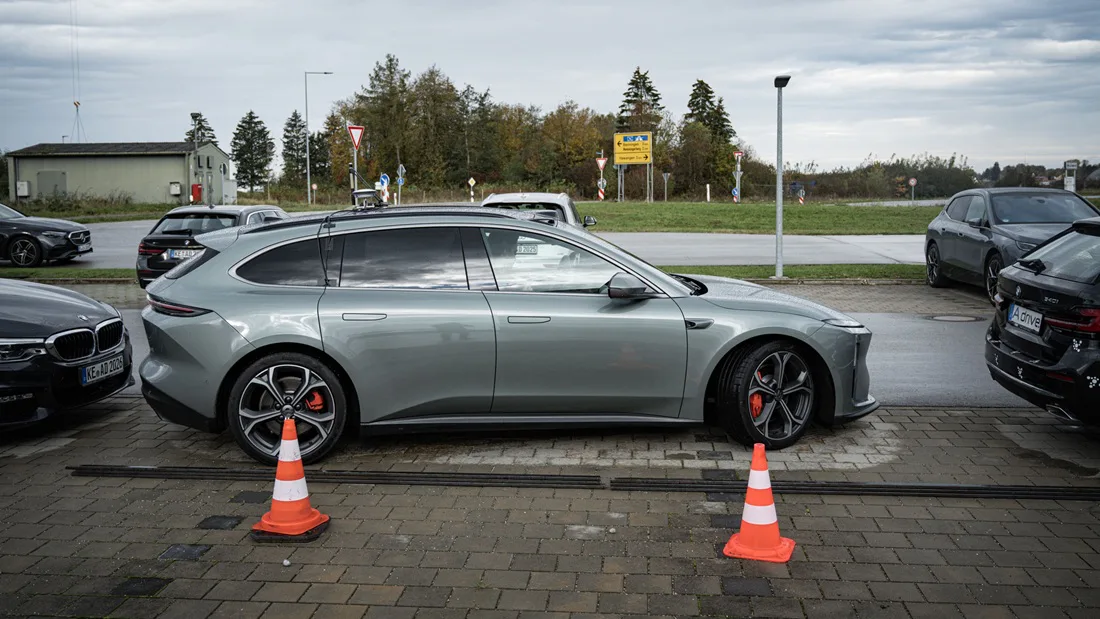
Aufbau für den Parkassistenten-Test (PMA).
-
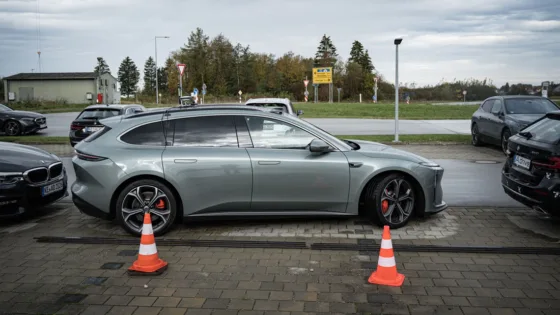
Aufbau für den Parkassistenten-Test (PMA).
-
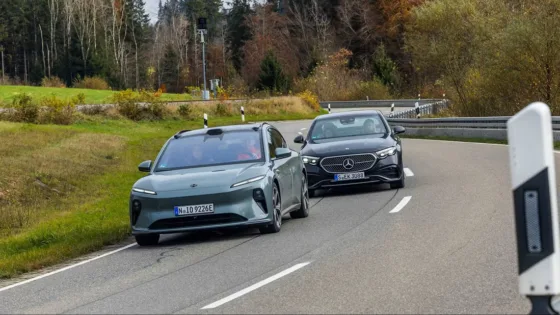
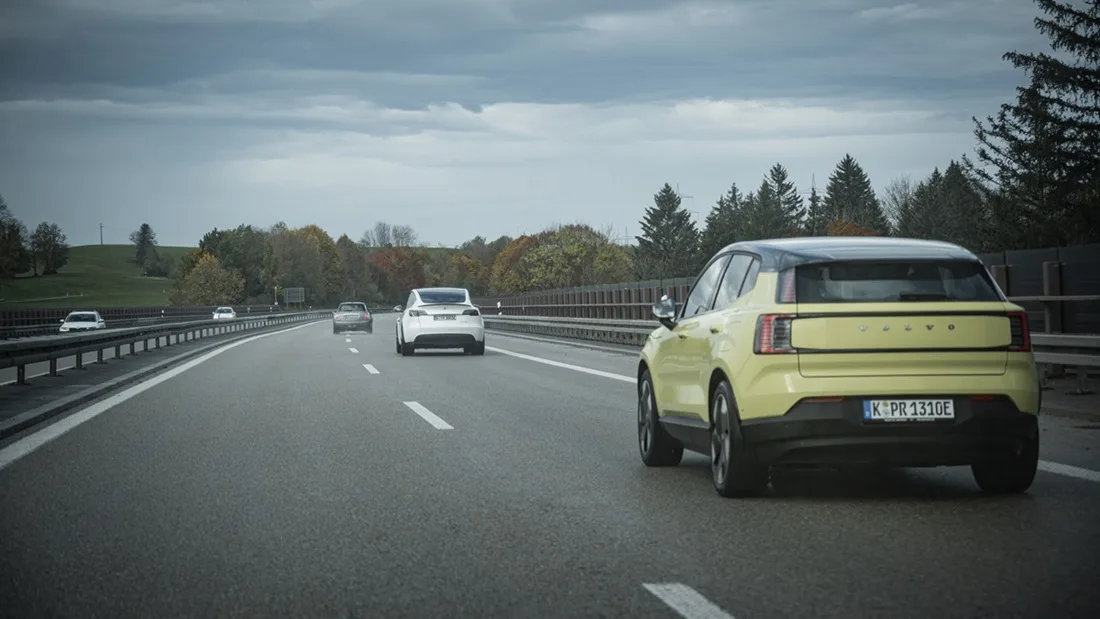
Test der adaptiven Abstandstemporegelung (ACC) auf der Autobahn.
-
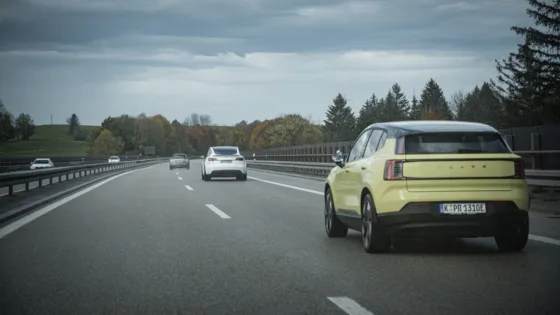
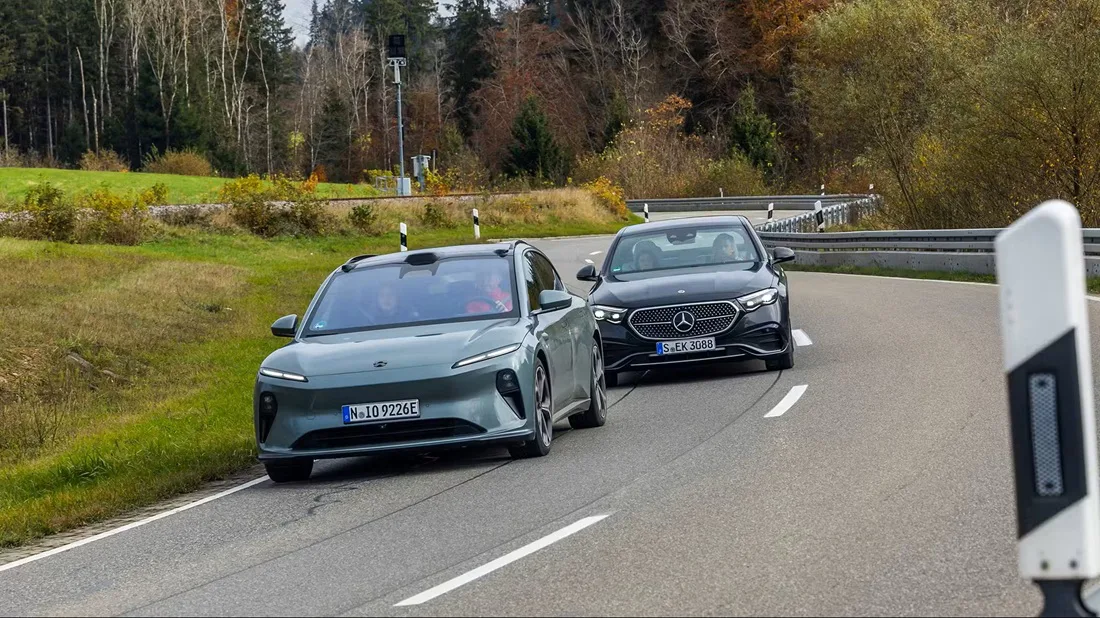
Test des Spurhalteassistent (LKAS) auf der Autobahn.
-
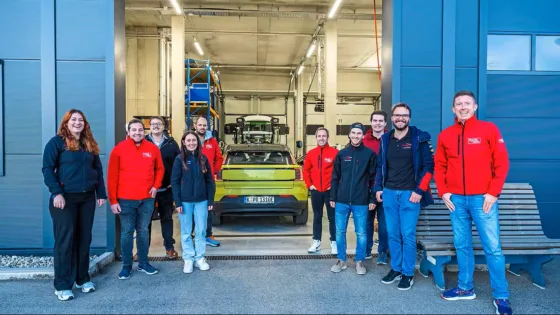
Unsere Testfahrer – gesamtes Projektteam.
-

Unsere Testfahrer.
-
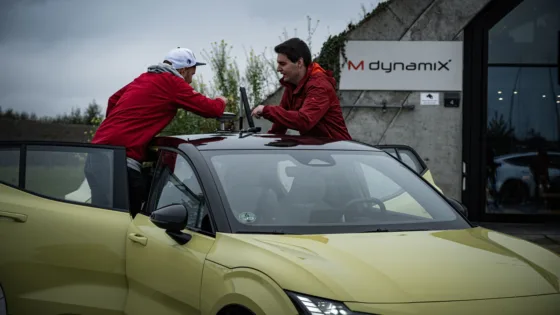
Unsere Testfahrer.
-

Unsere Testfahrer.





With field-based driving tests, intelligent measurement technology, and a methodology that combines objective vehicle data with subjective driver feedback, we are your partner for automotive benchmarking.
FAQS – Frequently asked questions about ADAS benchmark
